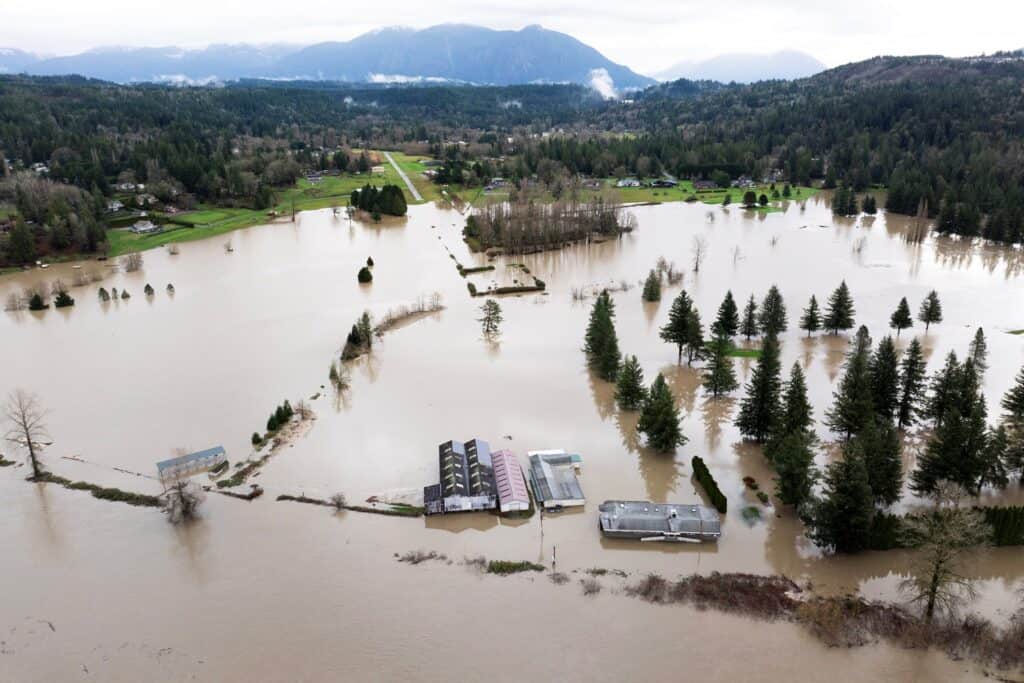
The recent flooding across Western Washington has left many homeowners dealing with unexpected repairs, moisture issues, and long-term structural concerns. With record rainfall, rising groundwater, and persistent storms throughout Whatcom, Skagit, and Island counties, homes across the region have been exposed to forces that most siding systems simply weren’t designed to handle.
At Siding Vault, we’ve already begun assisting homeowners who are now noticing swelling siding, soft sheathing, damaged trim, and early signs of moisture intrusion following these storm events. This blog will explain what to look for, why flooding can cause hidden damage, and why professional evaluation is crucial—especially in the Pacific Northwest’s coastal climate.
Why Western Washington Homes Are So Vulnerable During Flooding
Our region’s climate already brings heavy rainfall, but recent storms have intensified, overwhelming drainage systems and saturating building materials.
Several factors increase vulnerability:
1. Constant moisture exposure
Even homes with newer siding can experience issues when they’re exposed to standing water, overflowing gutters, or wind-driven rain for days at a time.
2. Older siding materials absorb water
Wood siding, T1-11, and improperly installed fiber cement can act like sponges during floods, holding water against the structure.
3. Hidden water paths
Flooding often pushes water:
- behind the siding
- through unsealed trim
- into window casings
- behind failing house wrap
- into soffits and lower wall cavities
These issues typically aren’t visible right away.
Common Signs of Flood-Related Exterior Damage
Even if your home looks fine from a distance, flood damage often appears slowly. Here are the most common indicators:
• Swollen or soft siding
Fiber cement or wood siding that bulges, softens, or shows rippling is a key sign of water absorption.
• Peeling or cracked paint
This often indicates trapped moisture behind the siding.
• Rotted or spongy trim
Trim absorbs water faster than siding—especially around windows and doors.
• Discoloration or staining
Water lines, dark patches, and streaking show that moisture sat for extended periods.
• Mushy sheathing behind the siding
If pressing on the siding feels like pressing on a damp sponge, the sheathing beneath may be compromised.
• Musty odors near exterior walls
A sign that moisture may be entering wall cavities.
Why Flood Damage Should Be Taken Seriously
Flood-related siding issues rarely stay small.
Moisture intrusion can lead to:
- wood rot in framing
- mold growth inside wall cavities
- structural weakening
- worsening air quality
- higher long-term repair costs
It’s common for homeowners to discover damage months after flooding—long after insurance deadlines or repair windows have passed.
How Siding Vault Helps After Flooding
As a James Hardie Elite Contractor, Siding Vault specializes in exterior protection built for the Pacific Northwest climate. After major storms or flooding, our team provides:
1. Professional moisture intrusion assessments
We identify where water is entering—and how far it has spread.
2. Siding and trim replacement
Including HardiePlank®, HardiePanel®, and HardieTrim®—materials designed to resist moisture and harsh weather.
3. Full building-envelope evaluations
We examine flashing, WRB, sheathing, and window seals to ensure your entire exterior is functioning as one system.
4. Insurance-ready reporting (upon request)
If damage is related to storm events, proper documentation can help support coverage.
5. Solutions built for long-term protection
Fiber cement siding combined with proper flashing and water management significantly reduces future moisture risks.
When Should You Schedule an Inspection?
You should consider a professional evaluation if:
- your home was near standing water
- you noticed leaks during the storms
- your siding is soft, swollen, or buckling
- paint or caulking failed after the rain
- your home has older siding materials (T1-11, wood lap, or early-generation fiber cement)
Flooding rarely causes immediate structural failure—but the long-term effects can be costly if ignored.
Protect Your Home After the Recent Flooding
If your home was affected by the recent Western Washington floods, the safest next step is a professional exterior inspection. Siding Vault proudly serves homeowners in:
- Bellingham
- Ferndale
- Blaine
- Lynden
- Anacortes
- Mount Vernon
- and surrounding communities
We provide clear reports, honest recommendations, and high-quality work backed by Hardie’s highest certification level.
Schedule Your Flood Damage Exterior Inspection
Visit www.sidingvault.com or contact us to book your consultation. Early action now can prevent costly repairs later—and keep your home protected through the rest of winter.