
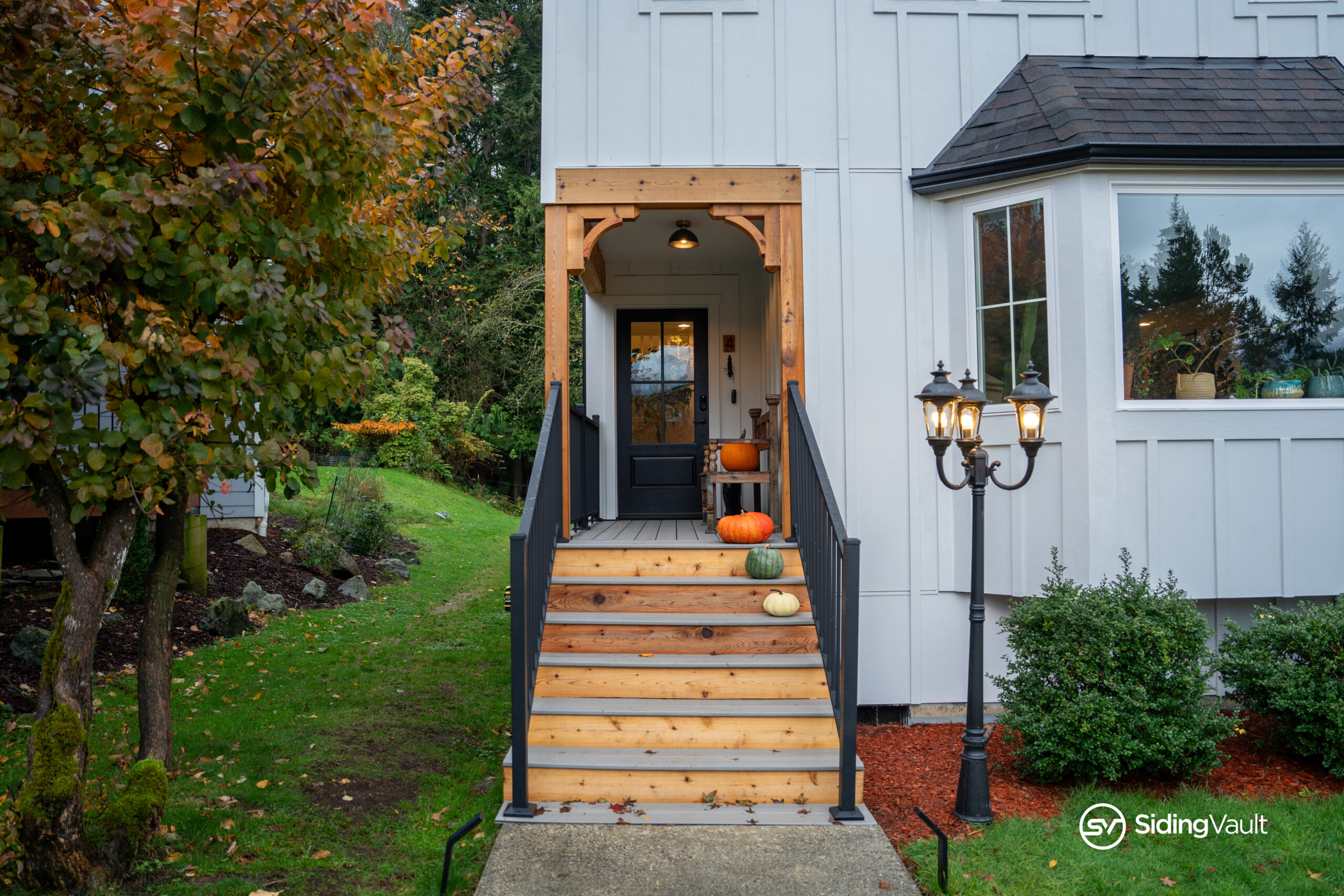

Your #1 Home Improvement Experts
Mt Vernon's Trusted and Local Siding Contractor.
Siding Vault is a Mt Vernon siding contractor that provides popular siding materials and professional installation. Driven by a highly skilled and experienced crew in Mt Vernon, our goal is to provide superior craftsmanship and trusted, professional service to every customer.
Service: Siding Vault is known for their niche siding replacement expertse. Siding Vault is partnered with James Hardie through their Contractor Alliance program, and is a James Hardie Elite® contractor.
Experience: Our crew is very experienced in both residential and commercial siding installation; with some of our legacy members having over a decade of experience!
Warranties: 30-year limited warranty on Hardie Products. 15-year finish warranty on James Hardie pre-finished products, such as ColorPlus Technology®. Request more information to view our latest warranties on other products.
Reviews: Move forward with zero hesitation, view Siding Vault’s extensive positive review presence online. Give James Hardie a call, and ask about Siding Vault!
Locally Operated: Locally owned and operated, here in Ferndale and Bellingham Washington.
Your Elite Siding Contractor in Mt Vernon.
Pre-Painted Siding in Mt Vernon -
ColorPlus Technology.
Recent Projects

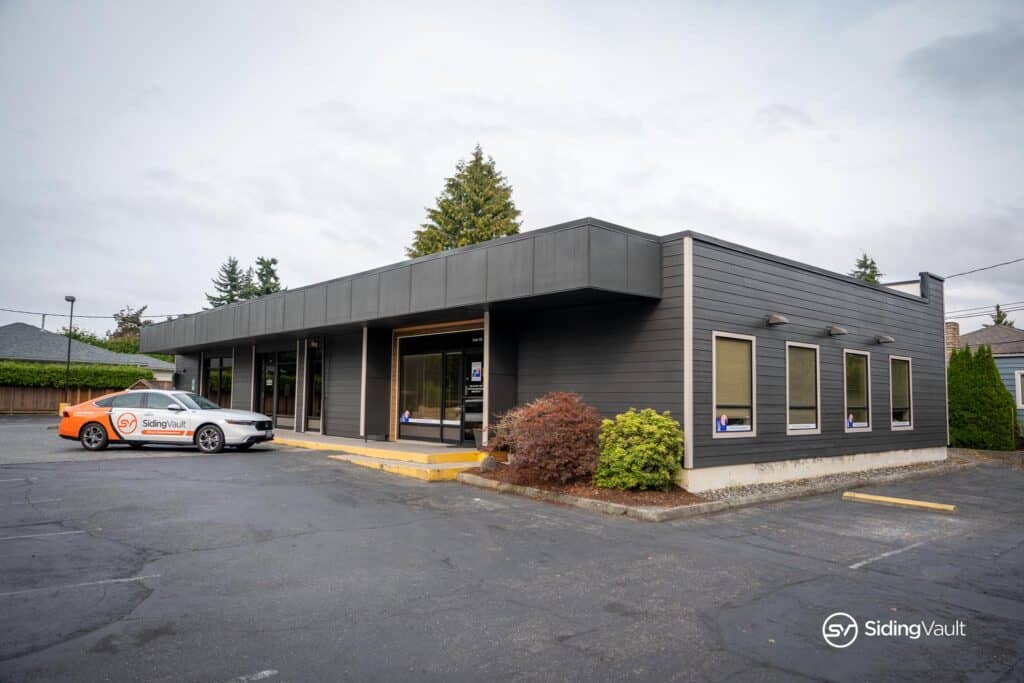
Commercial Reside for Utopia Management – City of Bellingham Approved
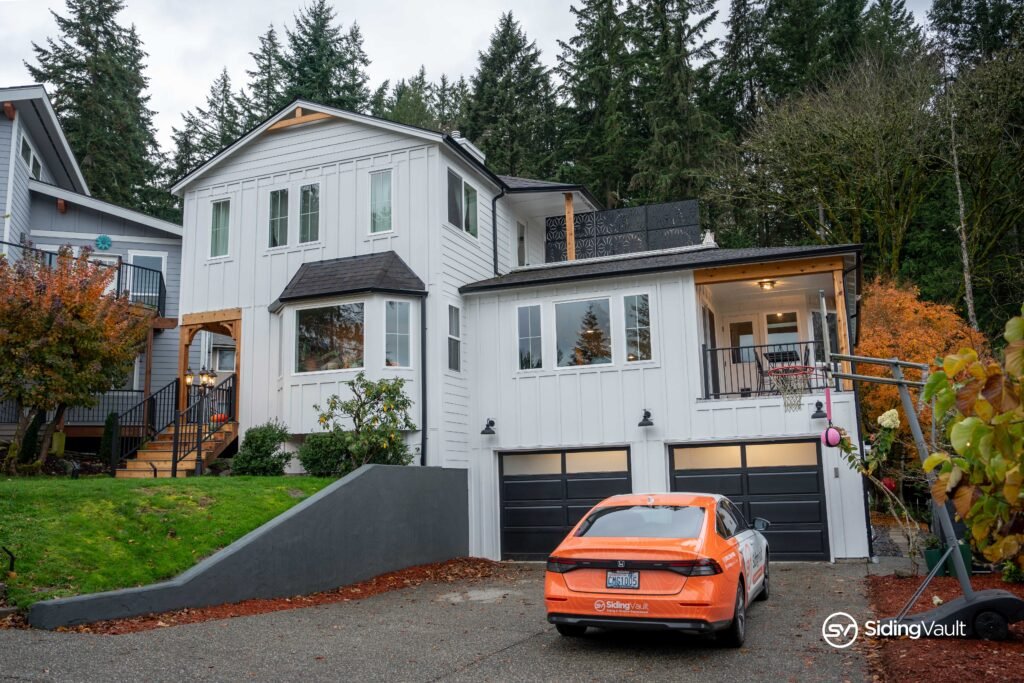
Window Replacement Contractor in Mt Vernon.
About Mt Vernon
Located in Skagit Valley, Mount Vernon stands as a city with a rich and storied history, deeply intertwined with the development of the region. From its early days as a vital trading post to its present role as a thriving community, Mount Vernon’s history is a journey through time that reflects the resilience, growth, and diverse influences that have shaped the city.
The history of Mount Vernon, WA traces back to the mid-19th century when pioneers and settlers began to establish footholds in the Pacific Northwest. The city’s strategic location along the Skagit River made it a natural hub for trade and commerce. The establishment of a trading post by Amos Bowman in 1864 marked the beginning of Mount Vernon’s role as a center for exchanging goods and connecting communities in the region.
In 1870, the city was officially platted by David T. Denny and George Gage, paving the way for formal urban development. The platting of Mount Vernon reflected the vision of its founders and set the stage for the city’s expansion. Early structures and businesses began to emerge, serving the needs of the growing population and establishing the foundations of a community.
The late 19th century witnessed significant transformations in Mount Vernon’s economy, driven by industries such as logging, agriculture, and commerce. The arrival of the railroad in 1889 further bolstered the city’s connectivity, facilitating the transportation of goods and people. Mount Vernon’s role as a transportation hub contributed to its economic prosperity, and the city became a key player in the regional development of the Pacific Northwest.
The Skagit River, flowing alongside Mount Vernon, played a crucial role in shaping the city’s early days. Mills and factories harnessing the power of the river sprang up, contributing to the growth of industries such as lumber and agriculture. The river became both a lifeline and a source of economic vitality, cementing Mount Vernon’s place as a center of industry in the Skagit Valley.
As the city continued to grow, it attracted a diverse population seeking economic opportunities and a new way of life. Mount Vernon’s population swelled with individuals of various backgrounds, including European settlers, indigenous people, and immigrants. This diversity laid the groundwork for the city’s cultural richness and contributed to the eclectic blend of traditions that characterize Mount Vernon today.
The early 20th century marked a period of civic development and expansion for Mount Vernon. In 1903, the city was officially incorporated, signaling its transition from a trading post to a formally recognized municipality. The incorporation granted Mount Vernon the ability to govern itself, shaping its own destiny and laying the groundwork for local governance.
During this era, Mount Vernon, Washington embraced the influences of the Arts and Crafts movement, visible in the architectural styles of many historic buildings that still stand today. The downtown area, with its charming brick buildings and well-preserved architecture, reflects the city’s commitment to preserving its historical character. Notable structures, such as the Lincoln Theatre, which opened its doors in 1926, became cultural landmarks and integral components of Mount Vernon’s identity.
The Great Depression brought economic challenges to Mount Vernon, as it did to many communities across the nation. However, the resilience of the city’s residents and their ability to adapt to changing circumstances allowed Mount Vernon to weather the storm. The agricultural sector, a cornerstone of the local economy, played a crucial role in sustaining the community during difficult times.
The mid-20th century ushered in a new chapter for Mount Vernon, marked by post-war growth and suburban development. The city’s population continued to increase, and suburban neighborhoods emerged to accommodate the expanding community. The completion of the Interstate 5 freeway in the 1960s further enhanced Mount Vernon’s connectivity, linking it to other urban centers in the region.
In recent decades, Mount Vernon has experienced urban revitalization efforts, aimed at preserving its historical heritage while meeting the demands of a modern and growing population. The city’s commitment to enhancing public spaces, promoting cultural events, and fostering a sense of community pride is evident in projects such as the Riverwalk District, which seeks to create a dynamic waterfront area along the Skagit River.
Mount Vernon’s history is also intertwined with its commitment to education. Skagit Valley College, founded in 1926, became an integral part of the community, providing educational opportunities to residents and contributing to the city’s cultural and intellectual vibrancy. The presence of educational institutions has not only shaped the minds of generations but has also played a role in defining the character of Mount Vernon as a city that values knowledge and learning.
The city’s dedication to preserving its natural surroundings is evident in its efforts to protect the Skagit River and the surrounding environment. Mount Vernon has embraced a sustainable and environmentally conscious approach, recognizing the importance of its natural resources and the need to balance growth with ecological responsibility.
As Mount Vernon continues to evolve, its history remains a living legacy, visible in its architecture, cultural landmarks, and the stories passed down through generations. The city’s commitment to honoring its past while adapting to the demands of the present reflects a dynamic and forward-thinking community. Mount Vernon stands not only as a testament to its history but as a thriving city that continues to shape its own destiny in the heart of the Skagit Valley.
Recent Blog Posts
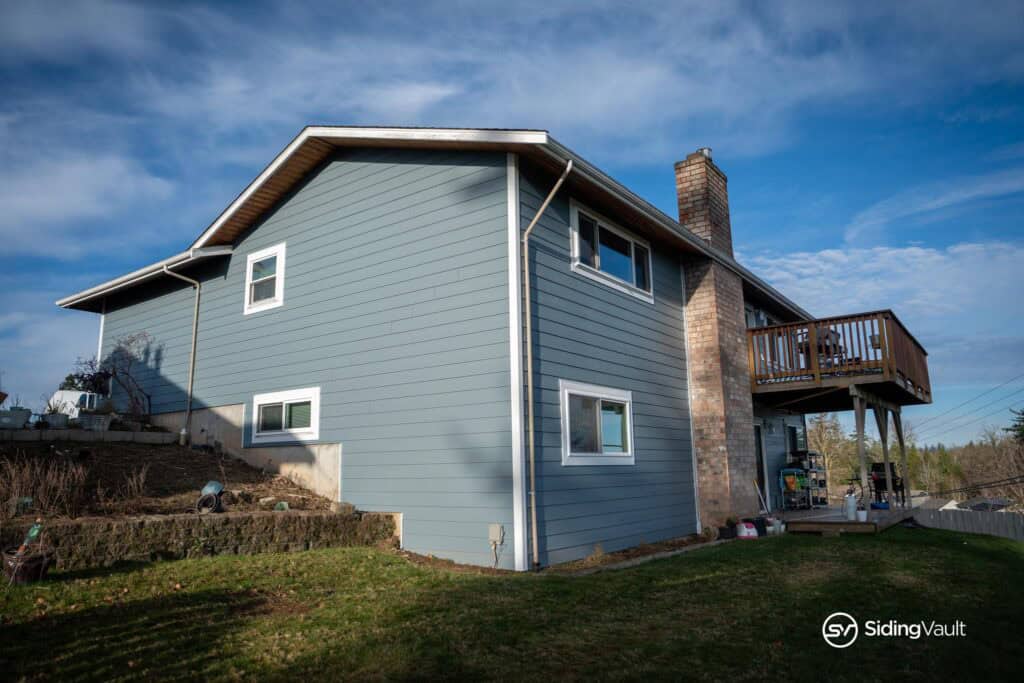
March 6, 2026 by Kristina in Home Renovation Guide
Pocket Windows vs. Nail Fin Windows: What Homeowners in Bellingham Should Know
Choosing between pocket windows and nail fin windows comes down to installation method, cost, and long-term performance. Pocket windows offer a quick, less invasive upgrade, while nail fin windows provide a full replacement with improved flashing and weather protection, making them the more durable option over time.
Reading Time: 3 min.
December 11, 2025 by Kristina in Home Renovation
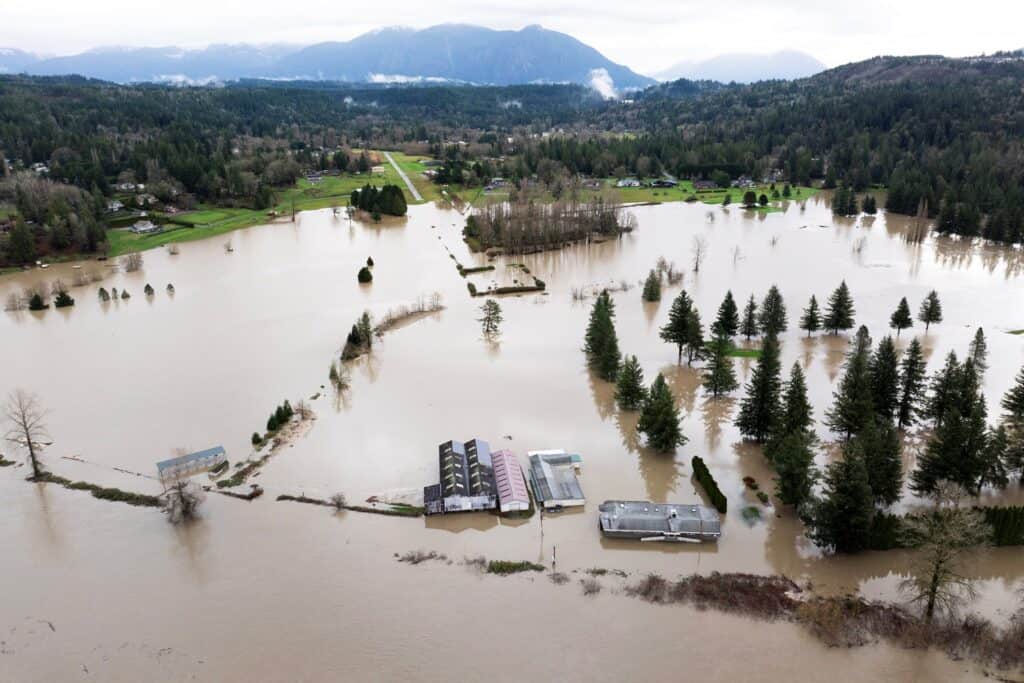
Skagit County Flooding: What Homeowners Need to Check for Exterior Damage
Recent flooding in Skagit County has exposed many homes to hidden exterior damage, including moisture intrusion, swollen siding, and compromised trim. Even if your home appears unaffected, floodwater and prolonged rain can create issues inside your walls that aren’t immediately visible. This guide explains what Skagit County homeowners should look for after the storms and how to protect their home’s exterior before problems worsen.
Reading Time: 3 min.
November 6, 2025 by Kristina in Home Renovation Guide
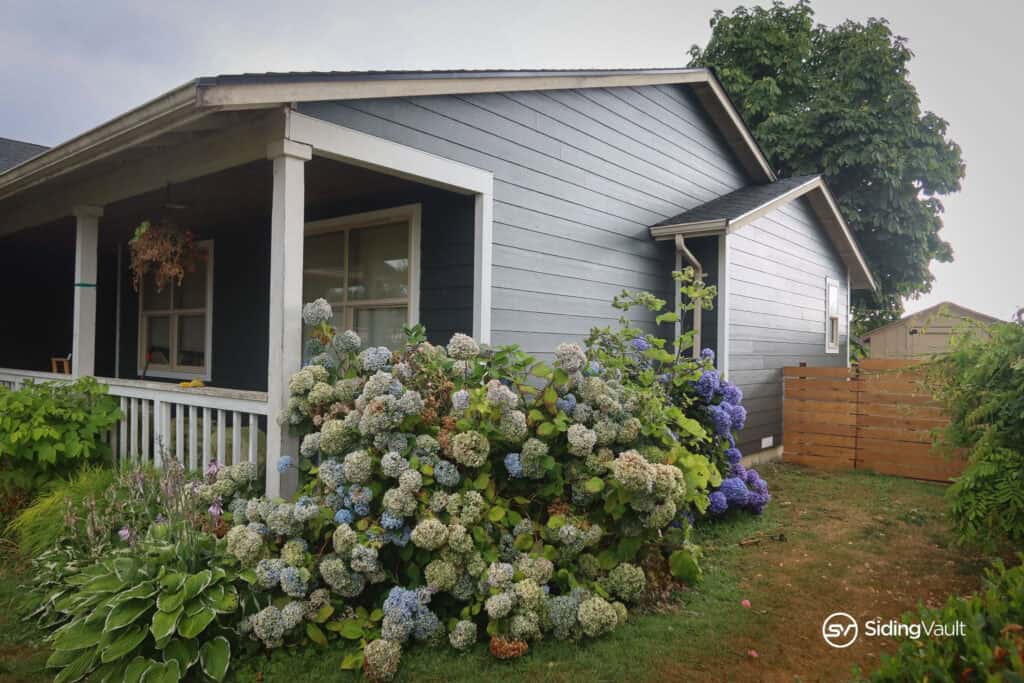
Why Bellingham Homes Need Moisture-Smart Exterior Systems
Bellingham’s coastal climate isn’t just picturesque—it’s also especially demanding on your home’s exterior. Between salt air drifting in from the bay, heavy seasonal rains, and relentless freeze-thaw cycles from November through March, it takes more than “good enough” siding to protect your investment. At Siding Vault, we’ve built our reputation as the region’s go-to exterior specialist by installing systems designed for the moisture profile of Northwest Washington, not against it.
Reading Time: 2 min.
