
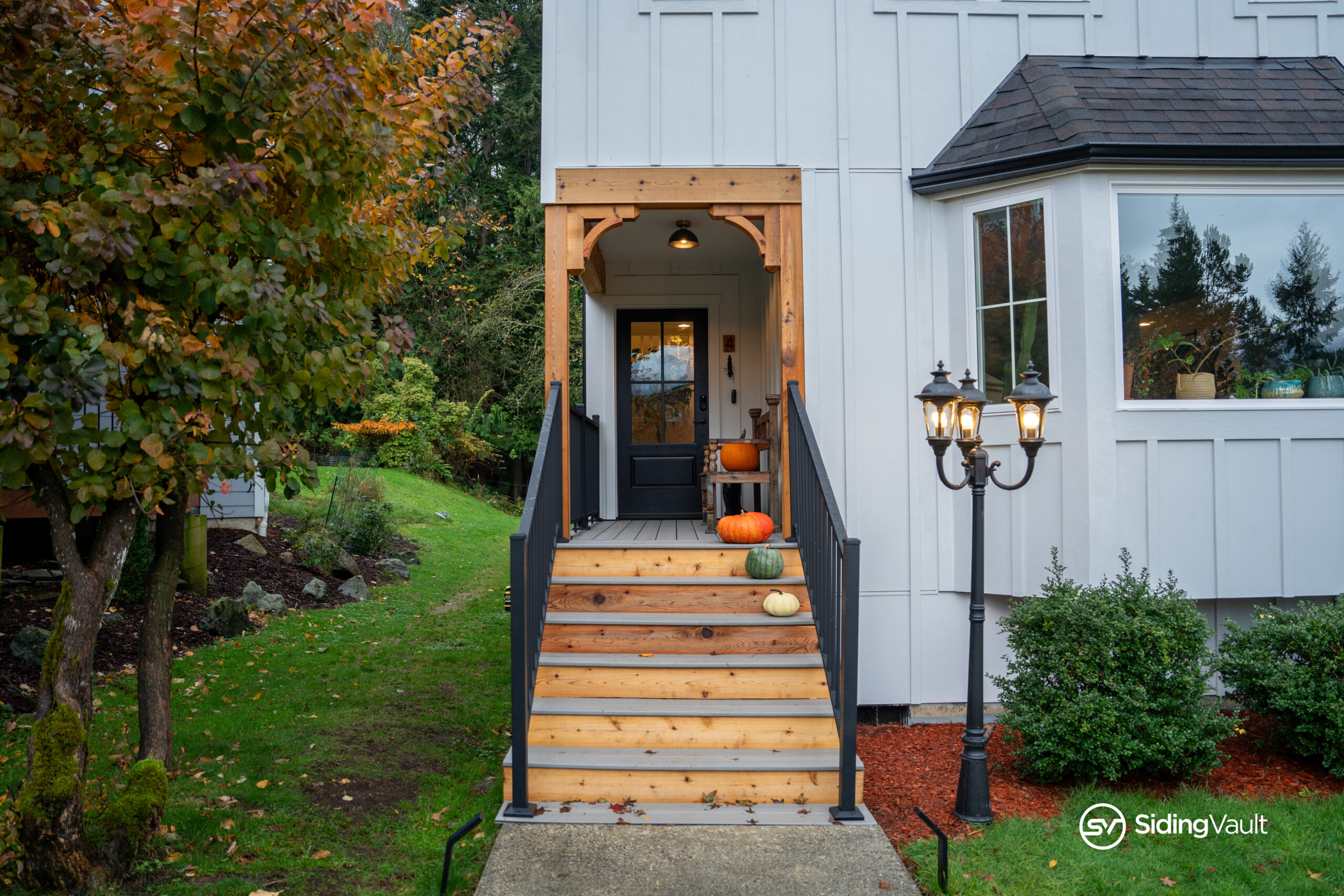
Siding Contractor in Mountain View
A highly-rated Mountain View siding contractor in your area providing industry leading siding materials and expert insights to address all aspects of your siding project.
Siding Vault is a James Hardie Elite® Contractor.
Request a Quote!

Your #1 Home Improvement Experts
Mountain View's Trusted and Local Siding Contractor.
Siding Vault is a Mountain View siding contractor that provides popular siding materials and professional installation. Driven by a highly skilled and experienced crew in Mountain View, our goal is to provide superior craftsmanship and trusted, professional service to every customer.
Service: Siding Vault is known for their niche siding replacement expertse. Siding Vault is partnered with James Hardie through their Contractor Alliance program, and is a James Hardie Elite® contractor.
Experience: Our crew is very experienced in both residential and commercial siding installation; with some of our legacy members having over a decade of experience!
Warranties: 30-year limited warranty on Hardie Products. 15-year finish warranty on James Hardie pre-finished products, such as ColorPlus Technology®. Request more information to view our latest warranties on other products.
Reviews: Move forward with zero hesitation, view Siding Vault’s extensive positive review presence online. Give James Hardie a call, and ask about Siding Vault!
Locally Operated: Locally owned and operated, here in Ferndale and Bellingham Washington.
Your Elite Siding Contractor in Mountain View.
Pre-Painted Siding in Mountain View -
ColorPlus Technology.
Recent Projects

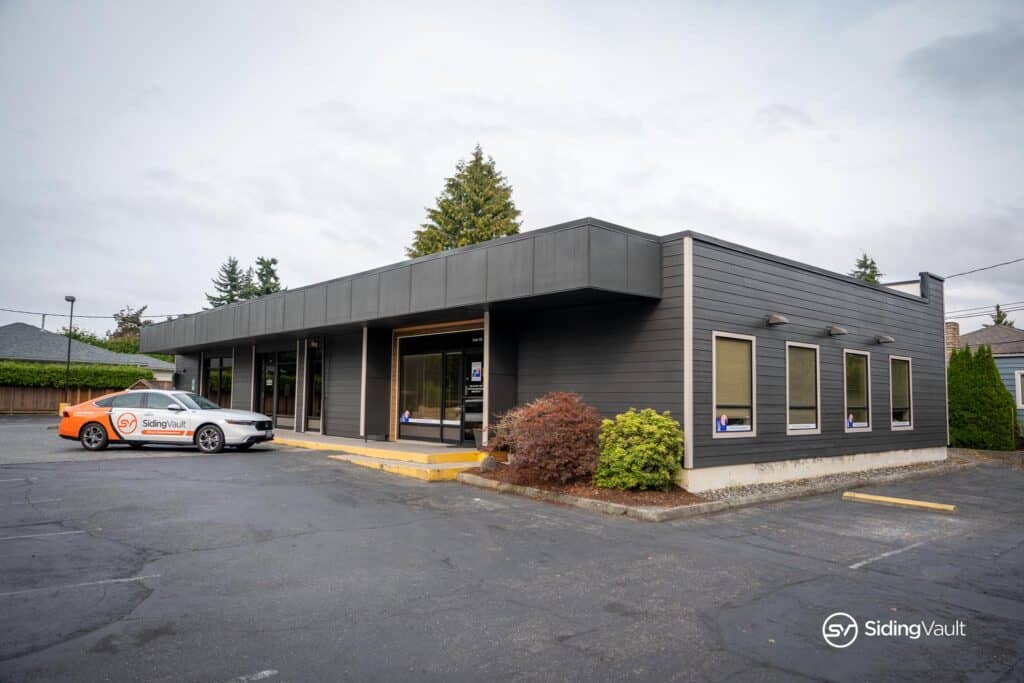
Commercial Reside for Utopia Management – City of Bellingham Approved
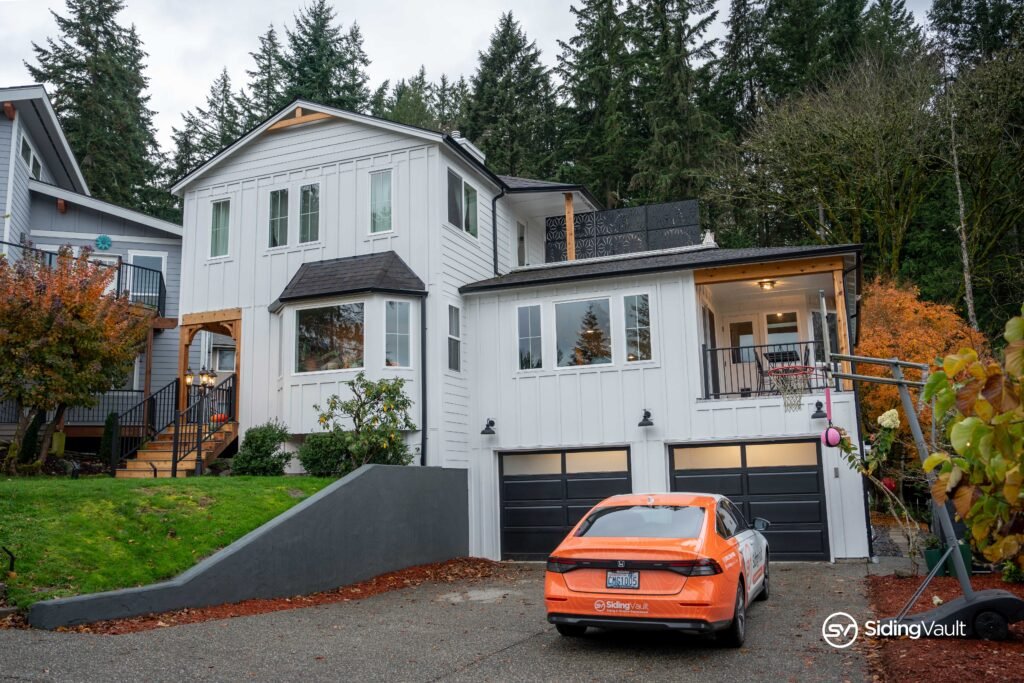
Window Replacement Contractor in Mountain View.
About Mountain View
Mountain View, Washington, is a town with a rich and diverse history that spans centuries, shaped by the forces of nature, exploration, and community development. Nestled in the heart of the Pacific Northwest, this town’s journey from its early days of indigenous habitation to its present status as a thriving community reflects the resilience, adaptability, and spirit of its residents.
The first chapter of Mountain View’s history is intertwined with the indigenous peoples who have inhabited the region for thousands of years. The area’s original inhabitants, including various Coast Salish tribes, lived in harmony with the lush forests, abundant rivers, and diverse wildlife. Their deep connection to the land and waterways laid the foundation for the cultural and ecological richness that defines Mountain View today.
The arrival of European explorers in the 18th century marked a significant turning point in the region’s history. Traders, fur trappers, and pioneers ventured into the Pacific Northwest, drawn by the promise of abundant natural resources. Mountain View’s location, surrounded by dense forests and fertile valleys, made it a focal point for early exploration and trade routes.
The mid-19th century brought waves of settlers seeking opportunities in the timber industry. The vast forests that blanketed the landscape attracted loggers and sawmill workers, transforming Mountain View into a bustling logging town. The sound of saws and the rhythm of logging camps became the soundtrack of the town’s early industrial era.
One of the pivotal moments in Mountain View’s history was the construction of the first sawmill along the banks of the Mountain River. This mill, powered by water from the river, laid the groundwork for the town’s economic prosperity. The sawmill not only facilitated timber production but also attracted a growing population of workers and their families, leading to the establishment of the first neighborhoods that would shape the town’s identity.
The completion of the transcontinental railroad in the late 19th century further fueled Mountain View’s growth. The railroad provided a crucial link between the town and distant markets, facilitating the transportation of timber products and accelerating economic development. Mountain View became a hub for the timber industry, attracting entrepreneurs, investors, and a diverse workforce.
As the logging industry flourished, so did the need for infrastructure and civic amenities. Schools, churches, and commercial establishments sprang up to meet the demands of a growing community. The construction of the iconic Mountain View Bridge, spanning the Mountain River, became a symbol of progress and connectivity, enhancing transportation and trade in the region.
Mountain View’s history is not without its challenges, and the early 20th century brought periods of economic downturn and environmental concerns. The logging boom, while bringing prosperity, also led to deforestation and ecological changes. Townsfolk recognized the need for sustainable forestry practices, laying the groundwork for a more environmentally conscious approach to resource management.
The mid-20th century witnessed a shift in Mountain View’s economic landscape. Advances in technology and changes in industry trends prompted a diversification of the local economy. The town adapted to these shifts, exploring new avenues beyond logging. The emergence of manufacturing, service industries, and small businesses contributed to a more resilient and balanced economy.
Mountain View’s commitment to environmental conservation became increasingly evident during this period. The establishment of protected areas, parks, and green spaces underscored the town’s dedication to preserving its natural beauty. Residents and civic leaders recognized the importance of sustainability, setting the stage for the town’s modern ethos of environmental responsibility.
The latter part of the 20th century and into the 21st century witnessed Mountain View’s evolution into a modern and vibrant community. The town embraced its natural surroundings, positioning itself as a gateway to outdoor recreation. Residents and visitors alike flocked to the surrounding mountains, rivers, and forests for hiking, fishing, and other outdoor pursuits.
The development of Mountain View’s neighborhoods mirrored this evolution, with a blend of historic districts and contemporary residential areas. The Old Mill District, once the heart of the logging industry, transformed into a charming residential area with repurposed mill buildings, art studios, and community spaces. New neighborhoods, such as Riverfront Landing, were designed with a focus on sustainable living and access to recreational spaces.
The preservation of Mountain View’s historical charm is evident in the Heritage District, where well-preserved homes and landmarks tell the story of the town’s past. Museums and historical societies actively work to ensure that the rich cultural heritage of Mountain View is celebrated and passed on to future generations.
Community events and festivals have become integral to Mountain View’s identity, showcasing the town’s cultural diversity and community spirit. The Mountain View Summer Festival, featuring live music, local artisans, and food vendors, has become a much-anticipated annual celebration that brings residents together and attracts visitors from neighboring communities.
The town’s commitment to education is reflected in its schools and educational initiatives. Modern schools, nestled among green spaces, provide a conducive environment for learning. Educational programs that focus on environmental science and sustainability align with Mountain View’s ethos of responsible living and ecological awareness.
In recent years, Mountain View has positioned itself as a hub for innovation and technology. The Innovation Quarter, a burgeoning neighborhood, attracts businesses and professionals looking to be part of a forward-thinking community. This emphasis on innovation aligns with the town’s historical adaptability and willingness to embrace new opportunities.
Recent Blog Posts
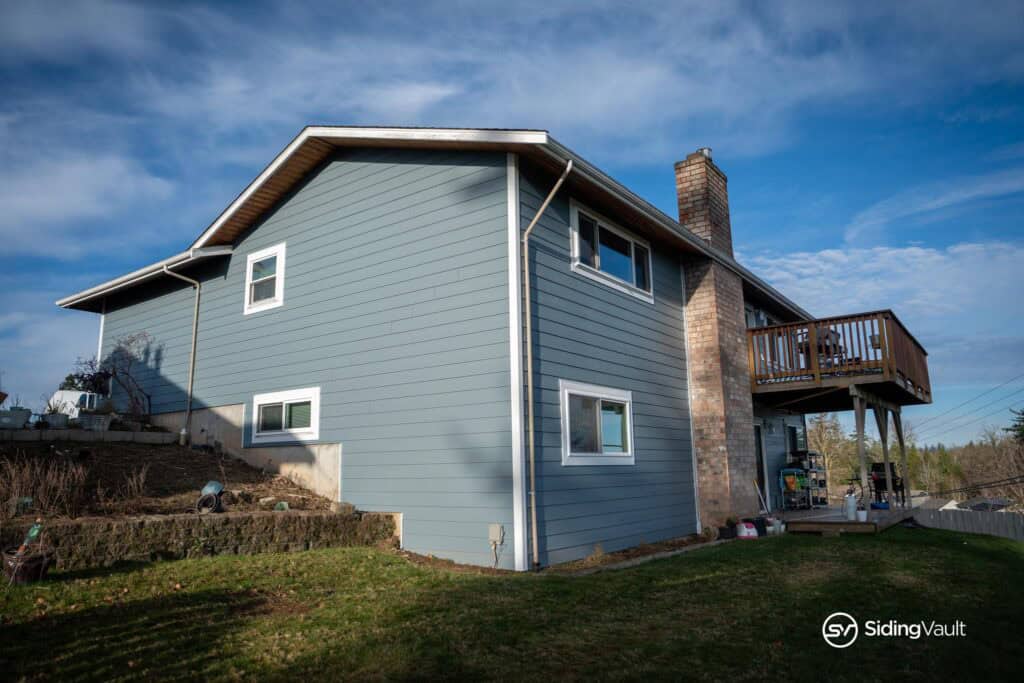
March 6, 2026 by Kristina in Home Renovation Guide
Pocket Windows vs. Nail Fin Windows: What Homeowners in Bellingham Should Know
Choosing between pocket windows and nail fin windows comes down to installation method, cost, and long-term performance. Pocket windows offer a quick, less invasive upgrade, while nail fin windows provide a full replacement with improved flashing and weather protection, making them the more durable option over time.
Reading Time: 3 min.
December 11, 2025 by Kristina in Home Renovation
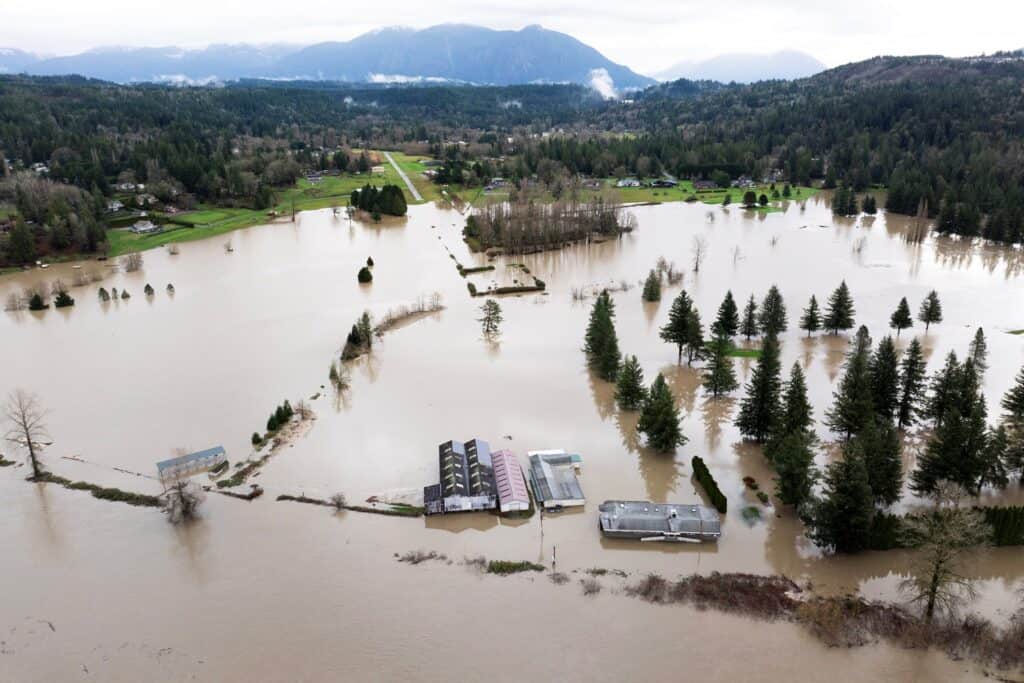
Skagit County Flooding: What Homeowners Need to Check for Exterior Damage
Recent flooding in Skagit County has exposed many homes to hidden exterior damage, including moisture intrusion, swollen siding, and compromised trim. Even if your home appears unaffected, floodwater and prolonged rain can create issues inside your walls that aren’t immediately visible. This guide explains what Skagit County homeowners should look for after the storms and how to protect their home’s exterior before problems worsen.
Reading Time: 3 min.
November 6, 2025 by Kristina in Home Renovation Guide
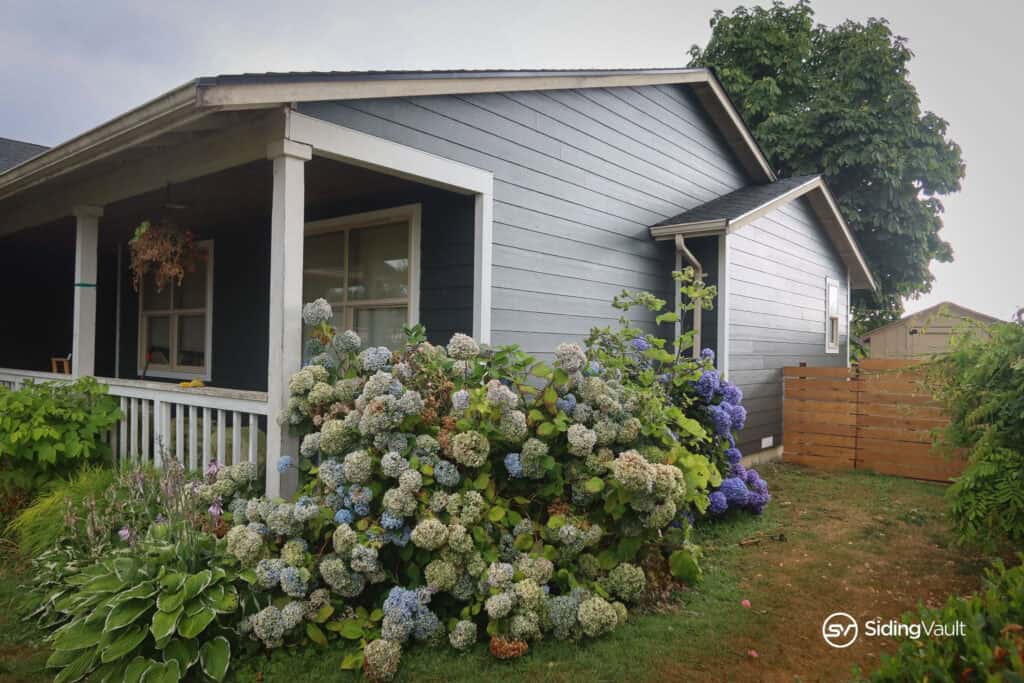
Why Bellingham Homes Need Moisture-Smart Exterior Systems
Bellingham’s coastal climate isn’t just picturesque—it’s also especially demanding on your home’s exterior. Between salt air drifting in from the bay, heavy seasonal rains, and relentless freeze-thaw cycles from November through March, it takes more than “good enough” siding to protect your investment. At Siding Vault, we’ve built our reputation as the region’s go-to exterior specialist by installing systems designed for the moisture profile of Northwest Washington, not against it.
Reading Time: 2 min.

