

Your #1 Home Improvement Experts
Alger's Trusted and Local Siding Contractor.
Siding Vault is a Alger siding contractor that provides popular siding materials and professional installation. Driven by a highly skilled and experienced crew in Alger, our goal is to provide superior craftsmanship and trusted, professional service to every customer.
Service: Siding Vault is known for their niche siding replacement expertse. Siding Vault is partnered with James Hardie through their Contractor Alliance program, and is a James Hardie Elite® contractor.
Experience: Our crew is very experienced in both residential and commercial siding installation; with some of our legacy members having over a decade of experience!
Warranties: 30-year limited warranty on Hardie Products. 15-year finish warranty on James Hardie pre-finished products, such as ColorPlus Technology®. Request more information to view our latest warranties on other products.
Reviews: Move forward with zero hesitation, view Siding Vault’s extensive positive review presence online. Give James Hardie a call, and ask about Siding Vault!
Locally Operated: Locally owned and operated, here in Ferndale and Bellingham Washington.
Your Elite Siding Contractor in Alger.
Pre-Painted Siding in Alger -
ColorPlus Technology.
Recent Projects
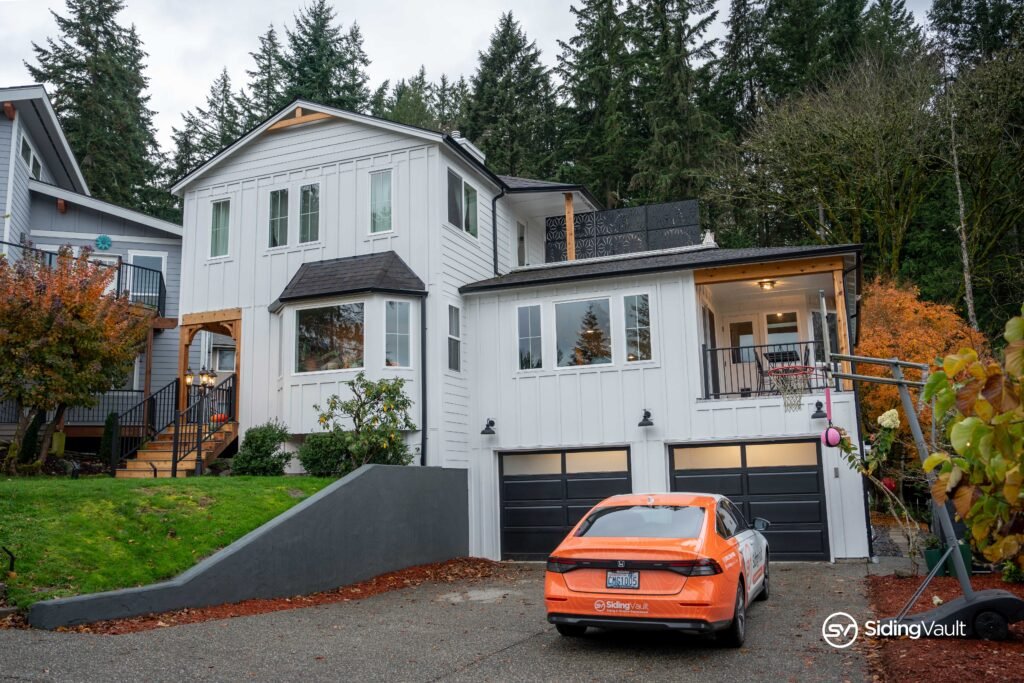
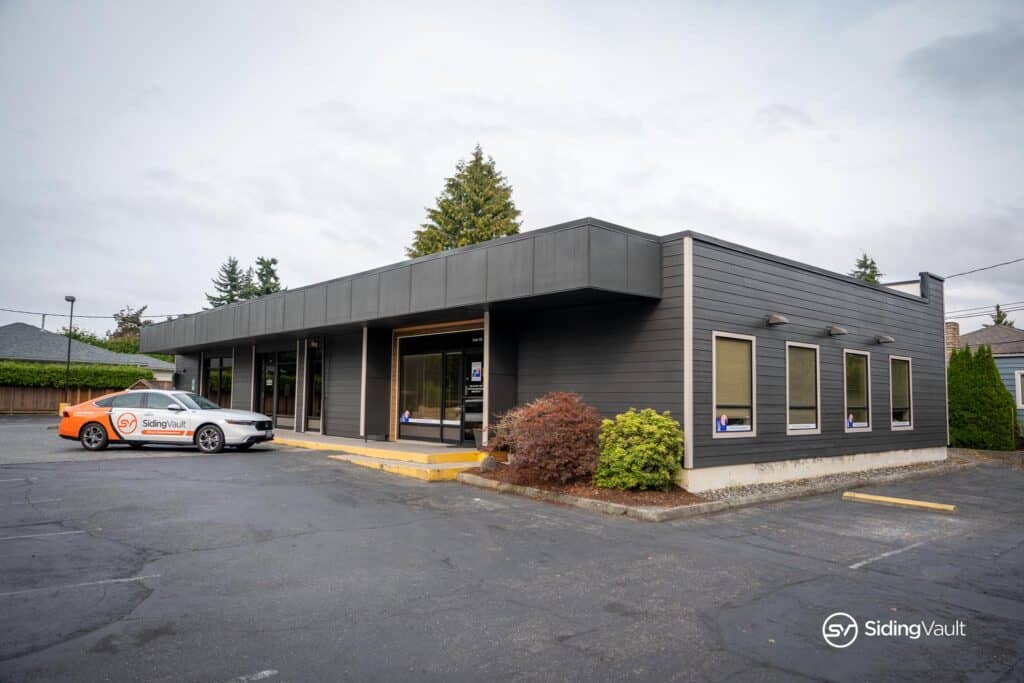
Commercial Reside for Utopia Management – City of Bellingham Approved

Window Replacement Contractor in Alger.
About Alger
Alger, Washington, nestled in the scenic Cascade foothills, has a rich and storied history that reflects the resilience of its community, the impact of industry, and the town’s evolution from a logging outpost to a vibrant, close-knit community. The history of Alger is woven into the fabric of the Pacific Northwest, shaped by the forces of nature, economic opportunities, and the spirit of its residents.
The roots of Alger can be traced back to the late 19th century when the area was inhabited by Native American communities. The lush landscapes and abundant natural resources made the region attractive for both sustenance and trade. The Nooksack River, winding through the valley, provided a vital waterway for transportation and connected the community to the broader Pacific Northwest.
The transformation of Alger from a wilderness inhabited by Native Americans to a settlement began with the arrival of European-American pioneers. The fertile soils and dense forests attracted settlers seeking opportunities in logging and agriculture. In the late 1800s, as the Pacific Northwest witnessed a surge in logging activities, Alger emerged as a strategic location for the timber industry.
The logging boom in Alger was catalyzed by the establishment of sawmills and logging camps. The dense forests surrounding the town became a treasure trove of valuable timber resources, attracting loggers from across the region. The Great Northern Railway, a major transportation artery, played a pivotal role in connecting Alger to larger markets, facilitating the transportation of timber and accelerating the town’s economic growth.
Logging operations in Alger, Washington were characterized by hard work, determination, and a sense of camaraderie among the loggers. The town’s logging camps, bustling with activity, became centers of industry and sources of employment for many residents. The economic prosperity generated by the timber industry laid the foundation for the development of Alger’s infrastructure, with schools, churches, and residential neighborhoods emerging to accommodate the growing population.
The Alger Logging District, now a historic area, preserves the remnants of the town’s logging heritage. Quaint cottages, artifacts from the logging era, and interpretive displays provide a glimpse into the challenges and triumphs of the early loggers. Walking through this district is akin to stepping back in time, with echoes of the bustling activities that once defined Alger during its logging heyday.
The establishment of the Alger School, a one-room schoolhouse, marked a significant milestone in the town’s history. The school became a focal point for education, bringing together children from the logging camps and nearby farms. The dedication to education underscored Alger’s commitment to the well-being and intellectual growth of its residents, setting the stage for the town’s future development.
The impact of the timber industry on Alger’s history is further evident in the architecture of the town. Many of the early structures, including homes and public buildings, exhibit the influence of the logging era. The use of timber in construction and the design elements reflecting the practical needs of loggers contribute to the unique character of Alger’s historic architecture.
Alger’s history is intertwined with the natural beauty that surrounds it. The Nooksack River, flowing through the valley, not only facilitated transportation and industry but also provided a scenic backdrop for the town. The river became a source of recreation, sustenance, and inspiration for residents, fostering a deep connection between Alger and its natural surroundings.
While the timber industry played a central role in Alger’s early history, the town also experienced shifts in economic activities over the years. As the logging boom waned, Alger adapted to changing circumstances, embracing agriculture as a significant economic driver. The fertile valley surrounding the town became a hub for farming activities, with crops like berries, dairy, and poultry contributing to the local economy.
The evolution of Alger, WA continued with the arrival of the Great Depression in the 1930s. Like many communities across the United States, Alger faced economic hardships during this period. The challenges brought by the Great Depression tested the resilience of Alger’s residents, who, despite the difficulties, found ways to support each other and sustain their community.
The mid-20th century saw further changes in Alger’s economic landscape, reflecting broader shifts in the Pacific Northwest. The town experienced a gradual transition from an economy dominated by logging and agriculture to one that embraced a more diversified approach. The advent of modern transportation and changes in industry allowed Alger to remain connected to regional markets and adapt to new opportunities.
As Alger entered the latter half of the 20th century, the town’s commitment to community and education remained steadfast. The Alger Community Church, a historic landmark, continued to be a gathering place for residents, fostering a sense of spiritual and communal connection. Schools in Alger evolved to meet the changing needs of the community, providing quality education for generations of students.
In recent decades, Alger has witnessed a resurgence of interest in sustainable practices and environmental conservation. The town’s commitment to preserving its natural surroundings aligns with its historical roots, where the land and its resources were central to the community’s livelihood. Environmental initiatives, including conservation projects and community-led efforts, underscore Alger’s dedication to being good stewards of its unique ecosystem.
Alger’s history is a testament to the enduring spirit of its residents, who have weathered economic shifts, embraced change, and nurtured a community that values both its past and its future. The town’s neighborhoods, from historic logging districts to modern residential areas, reflect a sense of continuity and community pride.
Alger, Washington, stands as a living testament to the intricate interplay between history, industry, and community resilience. From its logging origins to the challenges of economic transitions, Alger’s history is a narrative of adaptation, perseverance, and the enduring bond between its residents and the natural beauty that surrounds them. As Alger continues to evolve, the town remains a unique enclave in the Cascade foothills, where history is honored, community is cherished, and the spirit of the Pacific Northwest thrives.
Recent Blog Posts
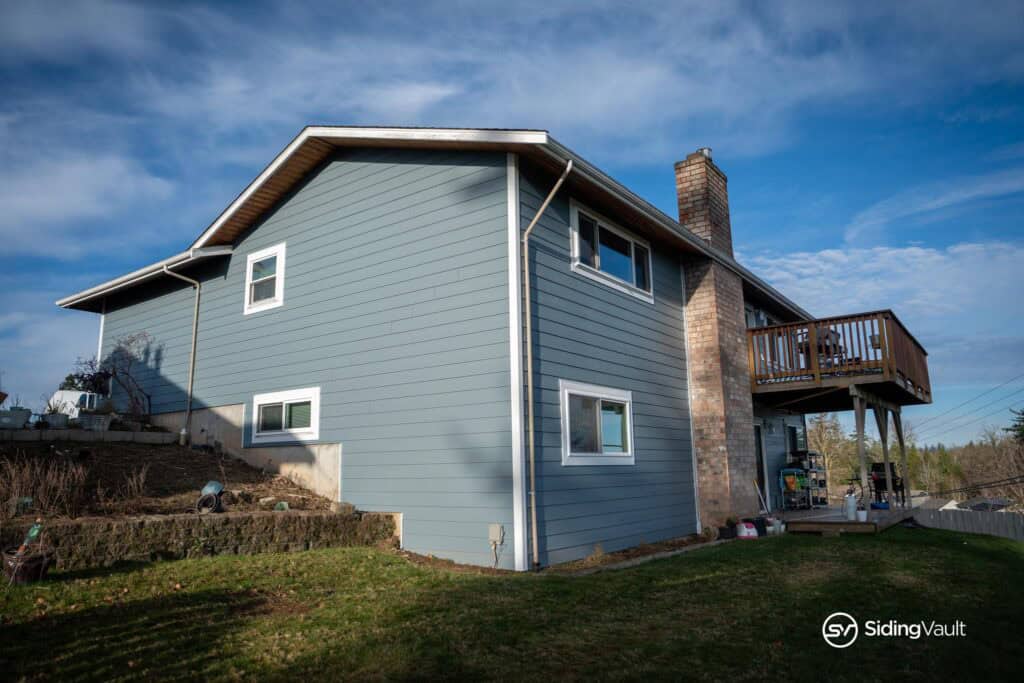
March 6, 2026 by Kristina in Home Renovation Guide
Pocket Windows vs. Nail Fin Windows: What Homeowners in Bellingham Should Know
Choosing between pocket windows and nail fin windows comes down to installation method, cost, and long-term performance. Pocket windows offer a quick, less invasive upgrade, while nail fin windows provide a full replacement with improved flashing and weather protection, making them the more durable option over time.
Reading Time: 3 min.
December 11, 2025 by Kristina in Home Renovation
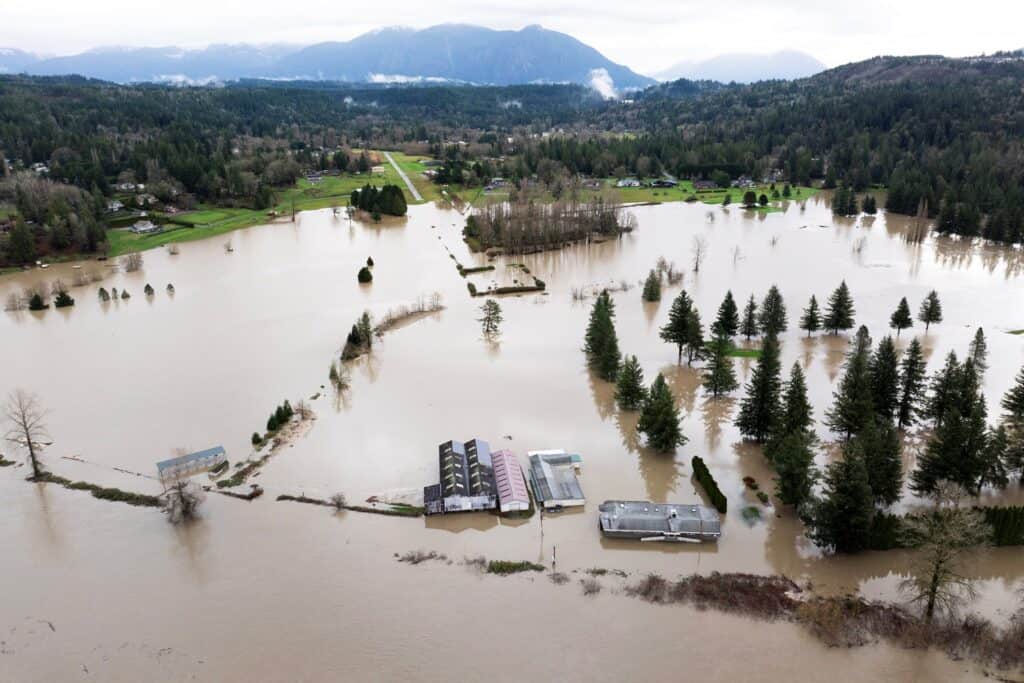
Skagit County Flooding: What Homeowners Need to Check for Exterior Damage
Recent flooding in Skagit County has exposed many homes to hidden exterior damage, including moisture intrusion, swollen siding, and compromised trim. Even if your home appears unaffected, floodwater and prolonged rain can create issues inside your walls that aren’t immediately visible. This guide explains what Skagit County homeowners should look for after the storms and how to protect their home’s exterior before problems worsen.
Reading Time: 3 min.
November 6, 2025 by Kristina in Home Renovation Guide
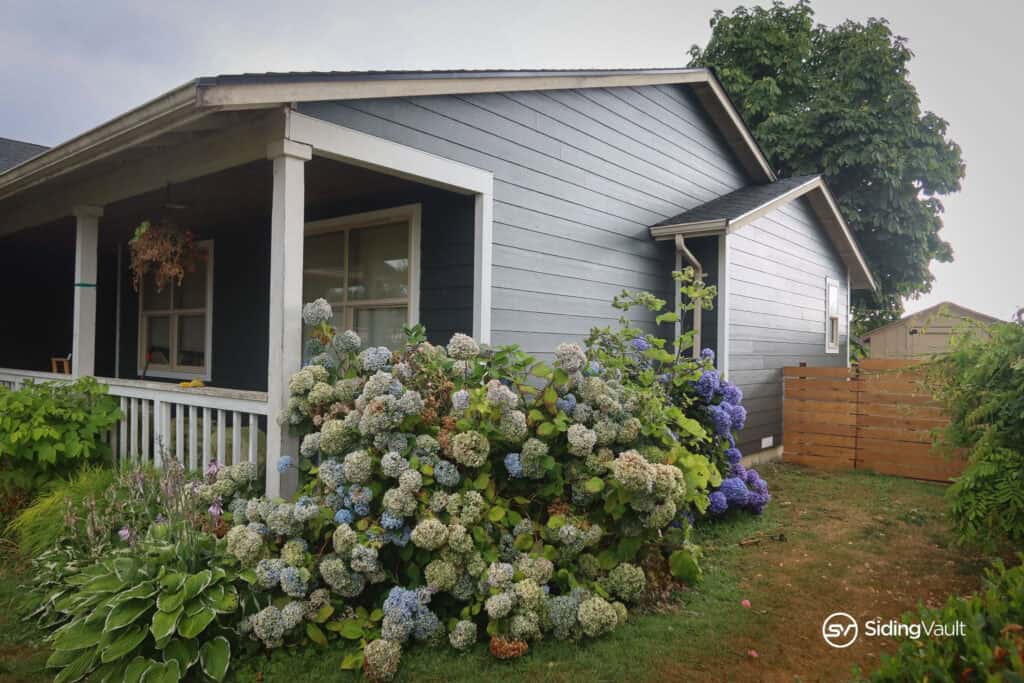
Why Bellingham Homes Need Moisture-Smart Exterior Systems
Bellingham’s coastal climate isn’t just picturesque—it’s also especially demanding on your home’s exterior. Between salt air drifting in from the bay, heavy seasonal rains, and relentless freeze-thaw cycles from November through March, it takes more than “good enough” siding to protect your investment. At Siding Vault, we’ve built our reputation as the region’s go-to exterior specialist by installing systems designed for the moisture profile of Northwest Washington, not against it.
Reading Time: 2 min.
