
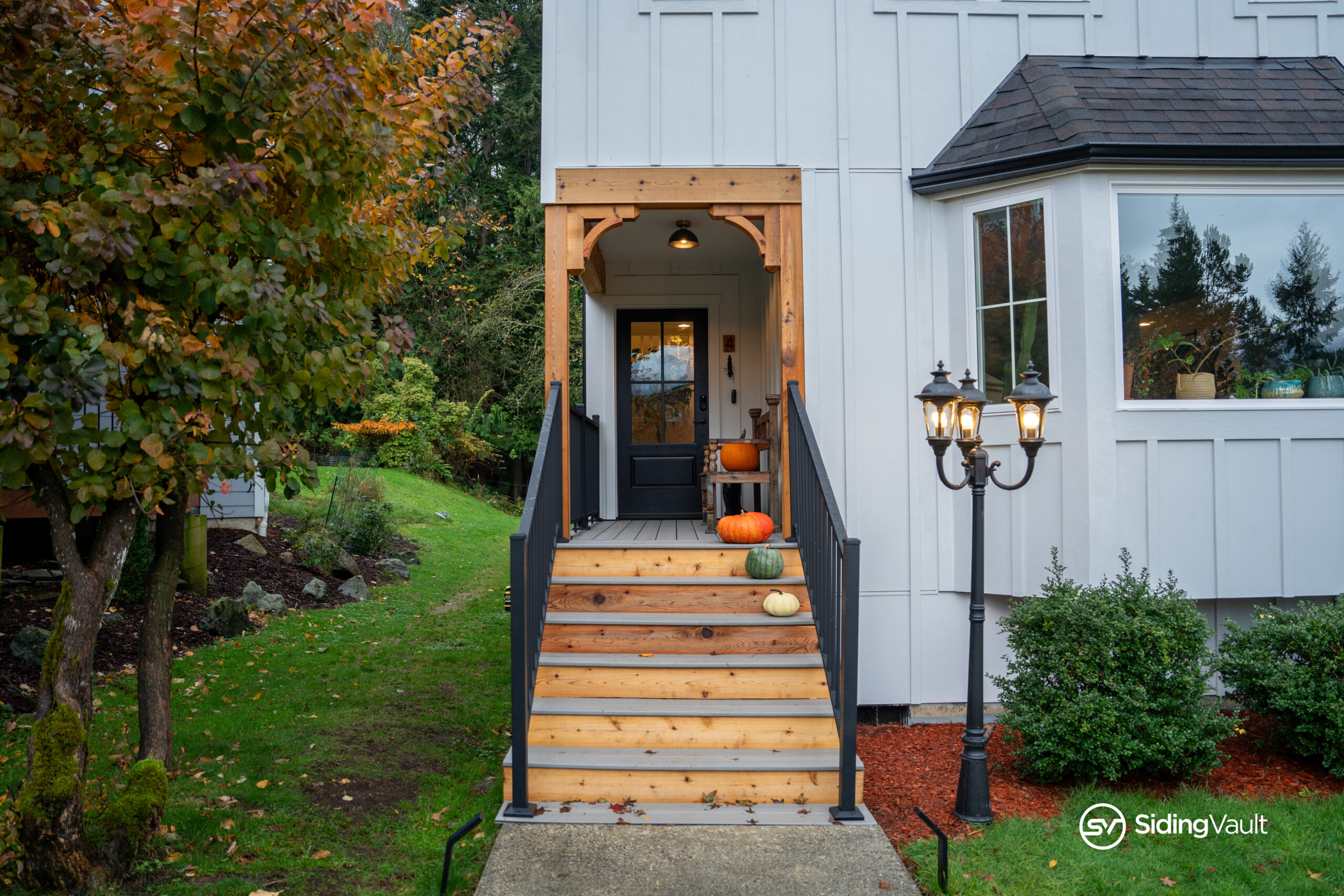
Siding Contractor in Whatcom County
A highly-rated Whatcom County siding contractor in your area providing industry leading siding materials and expert insights to address all aspects of your siding project.
Siding Vault is a James Hardie Elite® Contractor.
Request a Quote!

Your #1 Home Improvement Experts
Whatcom County's Trusted and Local Siding Contractor.
Siding Vault is a Whatcom County siding contractor that provides popular siding materials and professional installation. Driven by a highly skilled and experienced crew in Whatcom County, our goal is to provide superior craftsmanship and trusted, professional service to every customer.
Service: Siding Vault is known for their niche siding replacement expertse. Siding Vault is partnered with James Hardie through their Contractor Alliance program, and is a James Hardie Elite® contractor.
Experience: Our crew is very experienced in both residential and commercial siding installation; with some of our legacy members having over a decade of experience!
Warranties: 30-year limited warranty on Hardie Products. 15-year finish warranty on James Hardie pre-finished products, such as ColorPlus Technology®. Request more information to view our latest warranties on other products.
Reviews: Move forward with zero hesitation, view Siding Vault’s extensive positive review presence online. Give James Hardie a call, and ask about Siding Vault!
Locally Operated: Locally owned and operated, here in Ferndale and Bellingham Washington.
Your Elite Siding Contractor in Whatcom County.
Pre-Painted Siding in Whatcom County -
ColorPlus Technology.
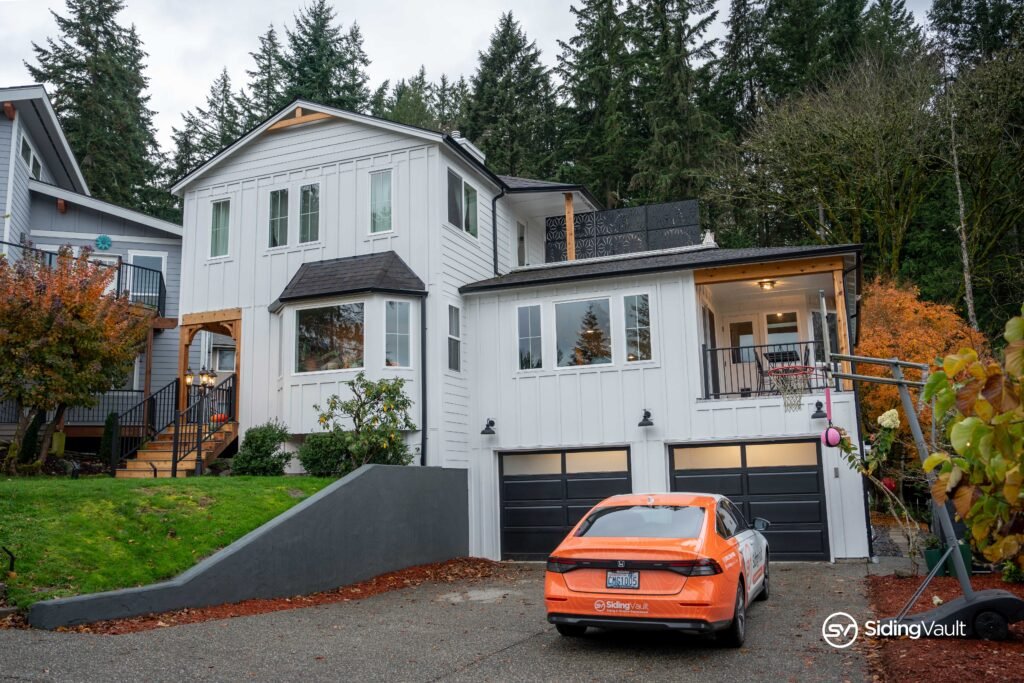
Recent Projects
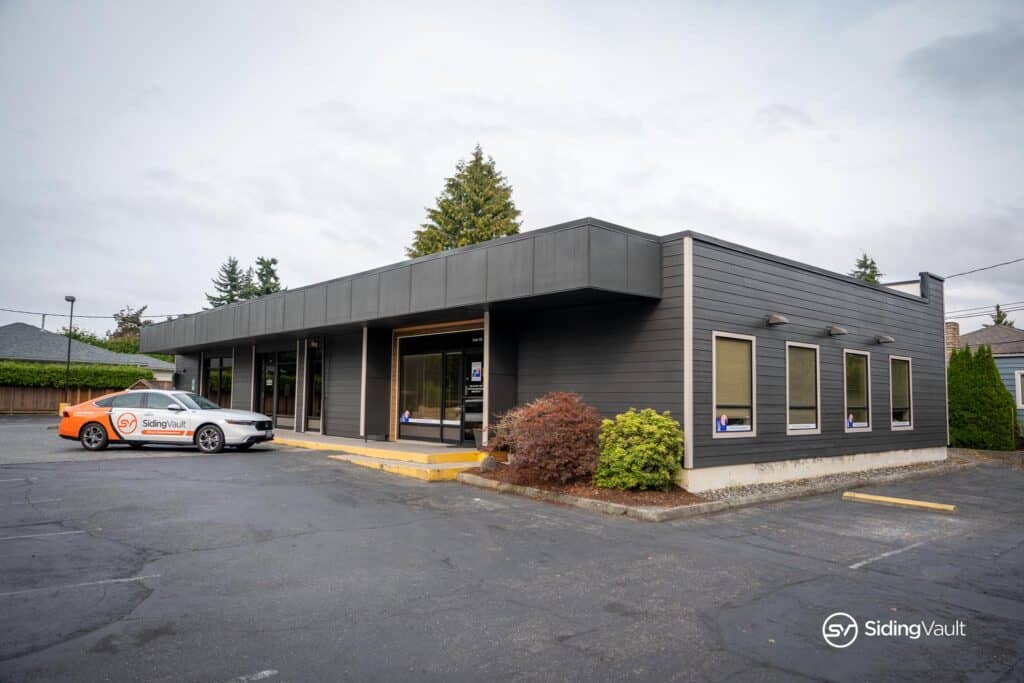
Commercial Reside for Utopia Management – City of Bellingham Approved

Window Replacement Contractor in Whatcom County.
About Whatcom County
Whatcom County, situated in the northwestern corner of Washington State, is a region steeped in history, characterized by a tapestry of indigenous heritage, early exploration, and diverse economic development. The story of Whatcom County is one of resilience, adaptation, and a deep connection to the breathtaking landscapes that define this Pacific Northwest gem.
Long before European settlers arrived, Whatcom County was home to the Coast Salish people, particularly the Lummi Nation. The Lummi, with a rich cultural heritage, thrived in harmony with the abundant natural resources of the region. Their presence is a testament to the enduring connection between the indigenous people and the land that would later become Whatcom County.
The first significant wave of European exploration in the area occurred in the mid-19th century. The Fraser Canyon Gold Rush in 1858 drew prospectors, traders, and settlers to the Pacific Northwest, including the region that would become Whatcom County. The influx of newcomers led to the establishment of Fort Bellingham in 1856, a military outpost strategically positioned to facilitate trade and protect settlers.
The city of Bellingham, now the largest in Whatcom County, traces its roots to this early period of exploration. Originally named Whatcom, the settlement grew around the military fort and became a hub for trade, drawing people from various backgrounds seeking economic opportunities in the resource-rich surroundings. The town’s name eventually changed to Bellingham in 1883, reflecting the desire to avoid confusion with the nearby county.
Whatcom County’s development was significantly influenced by the lumber industry. The abundant forests that blanketed the region attracted loggers and sawmill operators. Logging camps dotted the landscape, and the timber industry became a driving force in the local economy. The booming lumber trade led to the establishment of towns like Blaine and Ferndale, which thrived on the extraction and processing of timber.
The city of Blaine, situated near the Canadian border, became a key player in the lumber industry. Mills and warehouses lined the waterfront, facilitating the transportation of timber to domestic and international markets. The historic character of Blaine, with remnants of old mills and warehouses, stands as a testament to its industrial past and the role it played in shaping Whatcom County’s economic landscape.
The late 19th century saw the expansion of agriculture in Whatcom County, WA, with fertile lands providing opportunities for farming. The Nooksack Valley became a center for dairy farming, and the Dutch influence in Lynden, with its iconic windmill, reflects the heritage of early settlers who brought their agricultural traditions to the region. The farmlands surrounding Lynden and other areas of the county remain integral to Whatcom County’s identity, with a commitment to preserving its agricultural heritage.
The arrival of the railroad in the late 19th century further transformed Whatcom County, connecting its communities and facilitating the transportation of goods. The railroad played a pivotal role in the county’s economic development, linking it to larger markets and enabling the efficient movement of people and resources. Towns along the railroad line, such as Everson and Nooksack, experienced growth and became integral to the region’s transportation network.
In the early 20th century, Whatcom County continued to evolve as industries diversified. Fishing became a significant economic contributor, with coastal communities like Bellingham and Blaine benefiting from their proximity to the Pacific Ocean. The fishing industry brought economic prosperity to the region, and waterfronts bustled with activity as canneries and processing plants thrived.
The completion of the Mount Baker Highway in the 1920s opened up new possibilities for tourism and recreation in Whatcom County. The highway provided access to the stunning landscapes surrounding Mount Baker, the prominent peak that stands as a sentinel in the eastern part of the county. Outdoor enthusiasts flocked to the area, drawn by the promise of hiking, skiing, and exploring the pristine wilderness of the North Cascades.
The mid-20th century witnessed further growth and development in Whatcom County, driven by a combination of industrial expansion and a growing population. The city of Bellingham continued to thrive as an urban center, while suburban communities and residential areas expanded to accommodate the increasing number of residents.
Whatcom County’s economy diversified even further with the emergence of Western Washington University in Bellingham. Established in 1893 as the New Whatcom Normal School, the university has grown into a hub of education and culture. The presence of the university has not only shaped the academic landscape of the county but also contributed to the cultural vibrancy of the region.
The latter half of the 20th century and the early 21st century brought a renewed focus on environmental conservation and sustainable practices in Whatcom County. The county’s residents actively engaged in efforts to preserve the natural beauty of their surroundings, leading to the establishment of parks, conservation areas, and initiatives to protect water resources. This commitment to environmental stewardship reflects a deep appreciation for the unique ecosystems that define Whatcom County.
Today, Whatcom County stands as a vibrant and dynamic region, blending a rich history with a commitment to sustainability and community. The diverse communities within the county, from the urban landscape of Bellingham to the rural charm of Lynden and the coastal allure of Blaine, contribute to a tapestry of experiences that make Whatcom County a distinctive and inviting place.
The history of Whatcom County, Washington, is a narrative of adaptation, growth, and a deep connection to the natural environment. From the indigenous presence of the Lummi Nation to the waves of European settlers, the rise of industries, and the commitment to environmental conservation, each chapter in Whatcom County’s history has shaped its identity. As the county continues to evolve, it remains a testament to the resilience of its communities and their enduring connection to the landscapes that define this corner of the Pacific Northwest.
Recent Blog Posts
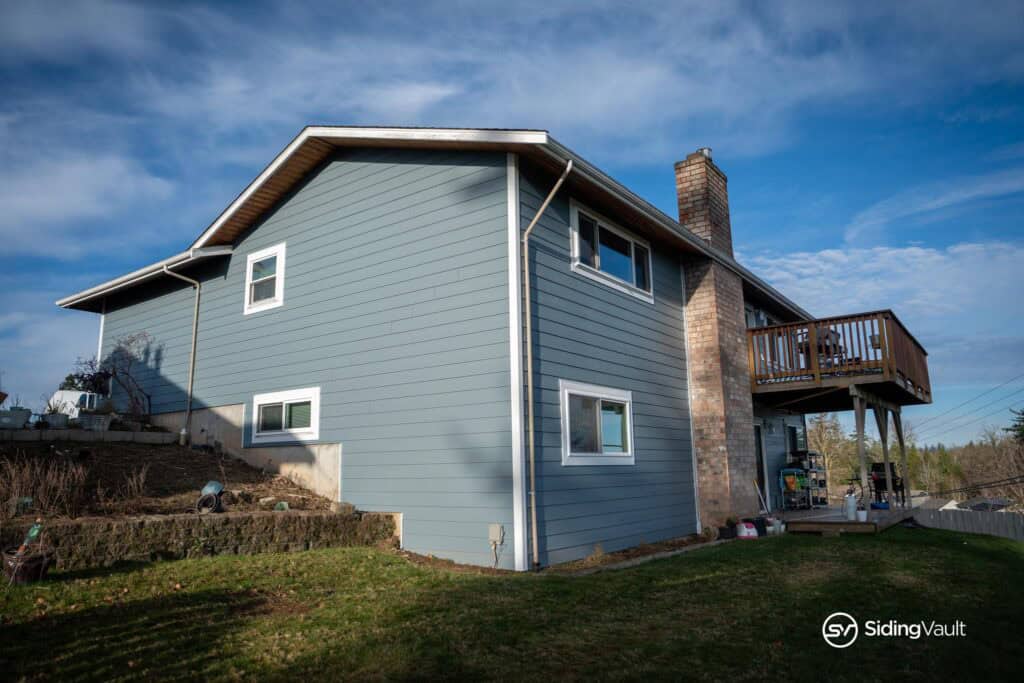
March 6, 2026 by Kristina in Home Renovation Guide
Pocket Windows vs. Nail Fin Windows: What Homeowners in Bellingham Should Know
Choosing between pocket windows and nail fin windows comes down to installation method, cost, and long-term performance. Pocket windows offer a quick, less invasive upgrade, while nail fin windows provide a full replacement with improved flashing and weather protection, making them the more durable option over time.
Reading Time: 3 min.
December 11, 2025 by Kristina in Home Renovation
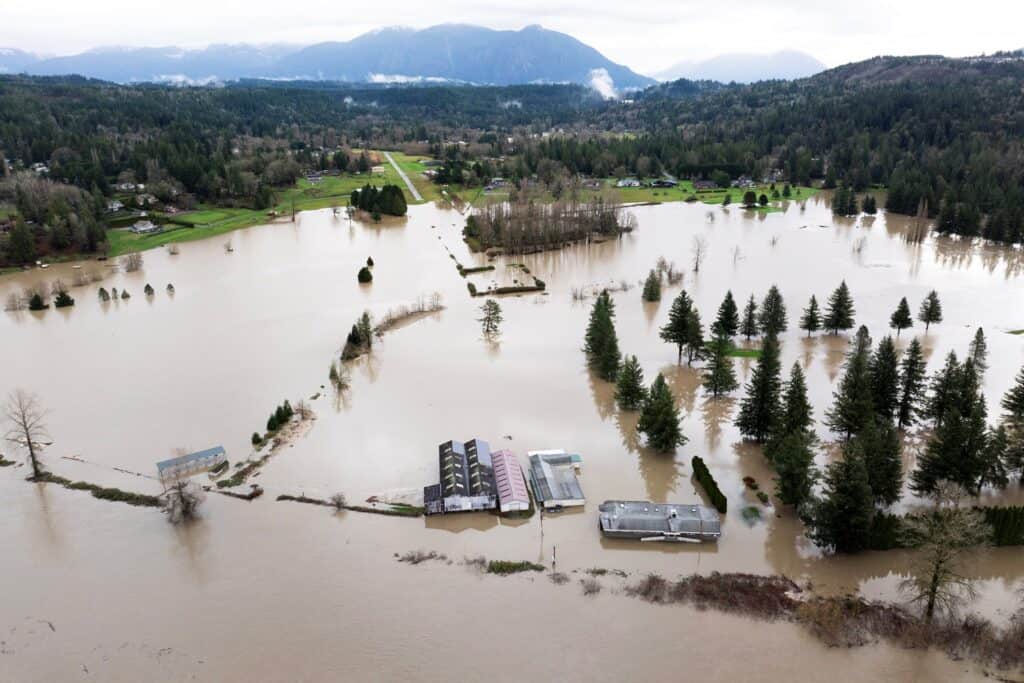
Skagit County Flooding: What Homeowners Need to Check for Exterior Damage
Recent flooding in Skagit County has exposed many homes to hidden exterior damage, including moisture intrusion, swollen siding, and compromised trim. Even if your home appears unaffected, floodwater and prolonged rain can create issues inside your walls that aren’t immediately visible. This guide explains what Skagit County homeowners should look for after the storms and how to protect their home’s exterior before problems worsen.
Reading Time: 3 min.
November 6, 2025 by Kristina in Home Renovation Guide
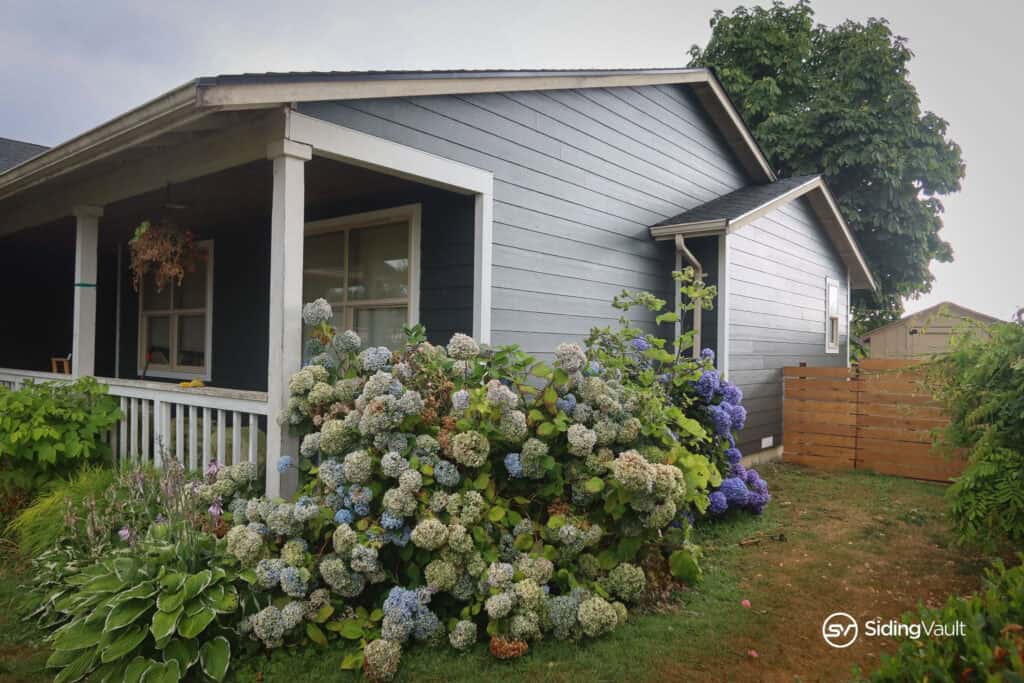
Why Bellingham Homes Need Moisture-Smart Exterior Systems
Bellingham’s coastal climate isn’t just picturesque—it’s also especially demanding on your home’s exterior. Between salt air drifting in from the bay, heavy seasonal rains, and relentless freeze-thaw cycles from November through March, it takes more than “good enough” siding to protect your investment. At Siding Vault, we’ve built our reputation as the region’s go-to exterior specialist by installing systems designed for the moisture profile of Northwest Washington, not against it.
Reading Time: 2 min.
