Asbestos Certified Siding Contractor in Lynden, WA
A highly-rated Lynden James Hardie siding contractor in your area, providing industry-leading materials and expert guidance to safely replace asbestos siding while enhancing your home’s durability and curb appeal.
Siding Vault is a James Hardie Elite® Contractor.
Request a Quote!
Proud to be James Hardie's Elite Contractor
Elite Contractor status represents the highest level of achievement in James Hardie’s five-tier contractor certification model. It recognizes businesses for their exceptional efficiency, standardized processes, and commitment to excellence.
Lead Certified Siding Contractor in Whatcom County
We are proudly LEAD-SAFE Certified by the State of Washington. For homes built prior to 1978, a lead-certified contractor is required to perform any siding replacement or renovation work (even if lead is not detected). If lead-based materials are detected on homes built after 1978, it is mandatory to engage a lead certified contractor, as failure to comply with these regulations may result in penalties and fines.
Your #1 Home Improvement Experts
Lynden's Trusted and Local James Hardie Elite® Siding Contractor.
Siding Vault is a Lynden James Hardie Elite® siding contractor that provides popular siding materials and professional installation. Driven by a highly skilled and experienced crew in Lynden, our goal is to provide superior craftsmanship and trusted, professional service to every customer.
Service: Siding Vault is known for their niche siding replacement expertise. Siding Vault is partnered with James Hardie through their Contractor Alliance program, and is a James Hardie Elite® contractor.
Experience: Our crew is very experienced in both residential and commercial siding installation; with some of our legacy members having over a decade of experience!
Warranties: 30-year limited warranty on Hardie Products. 15-year finish warranty on James Hardie pre-finished products, such as ColorPlus Technology®. Request more information to view our latest warranties on other products.
Reviews: Move forward with zero hesitation, view Siding Vault’s extensive positive review presence online. Give James Hardie a call, and ask about Siding Vault!
Locally Operated: Locally owned and operated, here in Ferndale and Bellingham Washington.
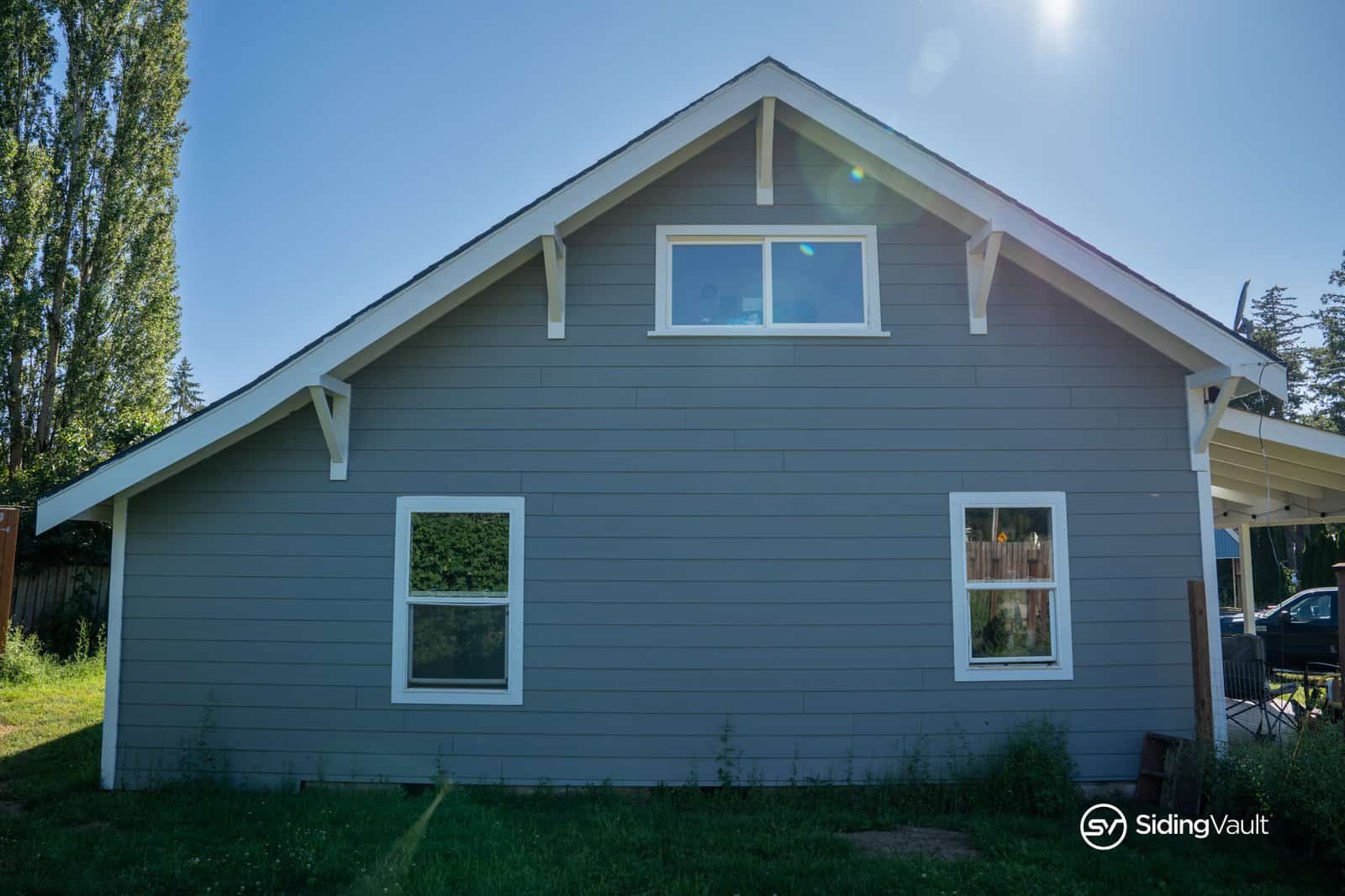
Siding Vault's Asbestos Projects
Executed to industry standards with an outstanding finish.
Let us help you transform your home with innovative siding products that stand the test of time!
Before
After

Your James Hardie Elite® Siding Contractor in Lynden.
About Lynden
Lynden, Washington, a picturesque city located in Whatcom County, is known for its rural charm and proximity to the Canadian border. Its architecture reflects both the region’s agricultural heritage and the evolving needs of suburban living. The dominant architectural styles in Lynden range from traditional farmhouses and Craftsman bungalows to modern suburban builds, with a mix of historical buildings thrown into the mix. These diverse styles, shaped by the local culture and climate, influence the siding choices homeowners make to ensure their homes remain durable, functional, and aesthetically pleasing. Lynden’s climate—marked by relatively high humidity, frequent rainfall, and cold winters—requires siding materials that provide protection from the elements while complementing the natural beauty of the area.
One of the most prevalent architectural styles in Lynden is the traditional farmhouse, which is deeply rooted in the region’s agricultural history. Farmhouses in Lynden are typically characterized by simple, rectangular shapes, steep gable roofs, large front porches, and expansive yards. The homes often feature wood siding, such as horizontal lap siding or board-and-batten, materials that were readily available during the early 20th century and contributed to the rustic charm of the farmhouse style. However, maintaining wood siding in Lynden can be challenging due to the high levels of rainfall and humidity. Over time, wood siding can deteriorate from moisture, rot, and insect damage, necessitating frequent upkeep. To address these concerns, many homeowners in Lynden have turned to more durable and low-maintenance siding materials, such as fiber cement or engineered wood. Fiber cement siding, which mimics the appearance of wood but offers better resistance to moisture, pests, and fire, is increasingly popular in Lynden’s farmhouses. Engineered wood, which combines the look of traditional wood siding with enhanced durability, is another common choice. These materials are well-suited to Lynden’s climate and offer superior performance without sacrificing the rustic aesthetic that defines farmhouse-style homes.
Craftsman homes are another popular architectural style in Lynden, reflecting the Arts and Crafts movement that flourished in the early 20th century. Craftsman homes typically feature low-pitched gabled roofs, wide eaves, exposed rafters, and large, welcoming front porches. The style emphasizes the use of natural materials, and these homes often feature wood siding, such as cedar shingles or horizontal lap siding. While these materials contribute to the warm, handcrafted aesthetic of Craftsman homes, the damp climate in Lynden makes maintaining wood siding difficult. Similar to farmhouse-style homes, many Craftsman homes in Lynden have transitioned to more durable materials like fiber cement or engineered wood to ensure longevity and reduce maintenance. Fiber cement has become a preferred option for its weather resistance, ability to mimic wood, and fire-resistant properties. These qualities make it a great fit for Craftsman homes in Lynden, where homeowners want to preserve the style’s traditional appearance but avoid the constant upkeep that comes with real wood. Rainscreen installation methods are often used with these materials to provide additional moisture management and ventilation, ensuring the siding performs well in the long term.
In addition to these traditional styles, Lynden has seen a rise in modern suburban homes in recent decades, particularly as the city experiences growth and development. These homes typically feature clean lines, open floor plans, and large windows to maximize natural light and integrate indoor and outdoor living spaces. The choice of materials for modern builds in Lynden often includes fiber cement panels, metal siding, and composite materials, all of which are designed to provide low-maintenance, long-lasting finishes that can withstand the local climate. Metal siding, particularly in the form of standing seam aluminum or steel, is popular in modern builds due to its sleek, industrial appearance and its durability in wet conditions. Metal siding is highly resistant to corrosion from moisture and is particularly well-suited for the Pacific Northwest’s rainy climate. Fiber cement panels are also commonly used in modern homes for their durability, fire resistance, and versatility. They can be finished to replicate wood or other materials, allowing homeowners to achieve a contemporary look while benefiting from the performance of a more durable material. These modern builds in Lynden often contrast with the more traditional, wood-heavy homes in the area, using materials that emphasize clean, minimalist design and long-term resilience.
What distinguishes Lynden’s architectural styles and siding choices from nearby locations like Bellingham or Ferndale is the focus on maintaining the city’s rural, agricultural roots while accommodating the needs of suburban growth. While Bellingham, as a larger urban center, features a mix of urban, suburban, and historic homes with diverse materials like brick and stucco, Lynden’s homes tend to prioritize traditional and natural-looking materials, especially in the rural areas surrounding the city. Unlike in urban areas, where vinyl and synthetic siding are common due to their cost-effectiveness, Lynden’s more rural and suburban environment leads to an emphasis on natural, weather-resistant materials like fiber cement, engineered wood, and metal siding. These choices ensure that homes in Lynden remain functional and attractive while blending with the surrounding landscape and climate.
Asbestos, a material once widely used for its fire-resistant properties, is an issue that may still affect some older homes in Lynden, particularly those built during the mid-20th century. Asbestos-containing materials, including siding, insulation, and roofing, were common in homes constructed between the 1940s and 1970s. While the use of asbestos was phased out starting in the 1970s due to health concerns, homes built during this period may still contain asbestos. Homeowners renovating or updating older homes in Lynden should be aware of the possibility of asbestos and should consult with certified professionals for proper removal or remediation. Fortunately, newer homes and those renovated in recent decades have moved away from using asbestos-containing materials, opting instead for safer, modern materials such as fiber cement, engineered wood, and metal siding.
In conclusion, Lynden’s architectural styles and siding choices reflect the city’s rich agricultural history and its evolving suburban growth. Whether restoring a traditional farmhouse, maintaining a Craftsman home, or designing a modern residence, homeowners in Lynden prioritize materials that balance aesthetics with durability. Fiber cement, engineered wood, and metal siding provide long-lasting solutions that withstand the demands of the local climate while preserving the city’s rural charm. The city’s commitment to natural materials, combined with modern advancements in siding technology, ensures that Lynden’s homes continue to stand the test of time, blending tradition with contemporary needs.
Recent Projects