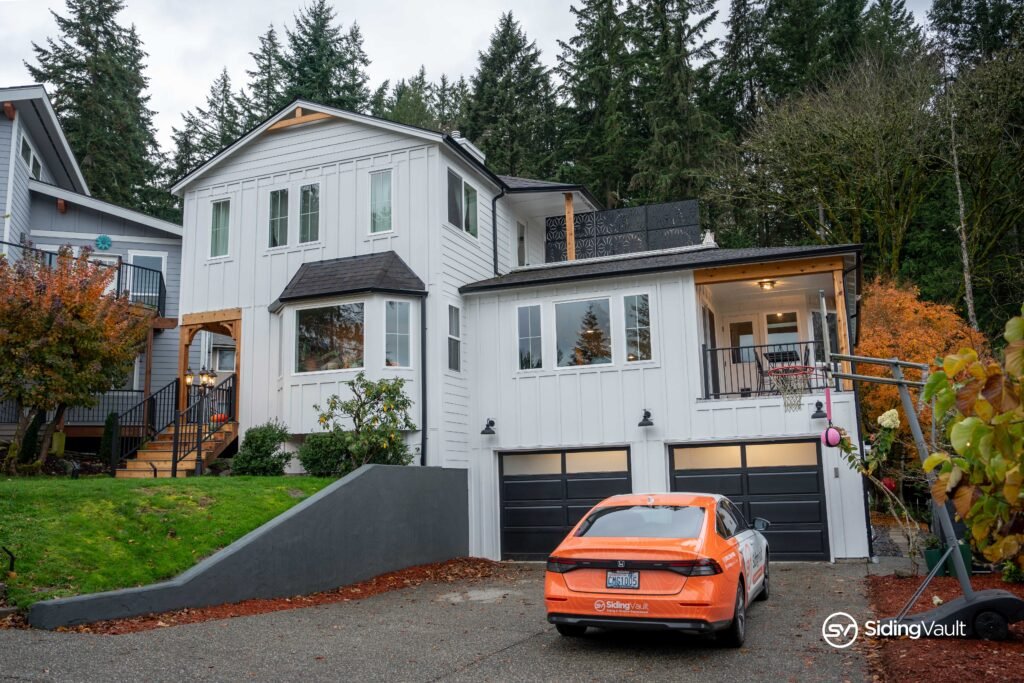
Point Roberts, a unique exclave of Washington State, presents homeowners with distinct exterior maintenance challenges influenced by its blend of modest urban development and expansive rural landscapes. Factors such as air quality, traffic pollution, soil conditions, and exposure to extreme weather significantly impact the upkeep of homes in these settings.
In the more developed areas of Point Roberts, increased vehicular activity and human presence can lead to localized pollution. Emissions from vehicles and businesses may result in the accumulation of grime on building exteriors, necessitating regular cleaning to prevent discoloration and material degradation. However, compared to mainland urban centers, Point Roberts experiences relatively low traffic levels, resulting in minimal pollution-related maintenance issues.
Rural areas in Point Roberts are characterized by open spaces, agricultural lands, and forested regions. Homes in these settings are more exposed to natural elements, including wind, rain, and sunlight. The open terrain can subject structures to stronger winds, leading to potential physical damage, while increased exposure to precipitation and humidity can promote moisture-related issues such as mold and mildew growth. Additionally, the coastal environment exposes homes to salt-laden air, which can accelerate the corrosion of certain building materials.
Soil conditions vary across Point Roberts. In developed areas, soil compaction due to construction can affect drainage patterns, potentially leading to water accumulation around foundations if not properly managed. In rural settings, soil types can range from well-draining sandy soils to heavier clay soils. Homeowners must assess their specific soil conditions to implement appropriate drainage solutions, preventing water-related damage to their home’s exterior and foundation.
To address these challenges, selecting suitable materials is essential. In more developed areas, durable siding materials such as fiber cement or treated wood can resist the minimal pollutants present and withstand the moist climate. For roofing, materials like metal or high-quality asphalt shingles offer durability and resistance to moss and algae growth, common in the Pacific Northwest’s damp environment.
In rural settings, materials that can endure environmental exposure are crucial. Cedar siding, treated to resist rot and insects, provides a natural aesthetic that complements the surroundings while offering durability. Metal roofing is advantageous due to its resilience against wind and precipitation, as well as its longevity and resistance to salt corrosion.
Regular maintenance strategies are vital across Point Roberts. Homeowners should schedule periodic inspections to identify and address issues such as moisture intrusion, pest infestations, and material wear. Implementing proper drainage systems, including maintaining gutters and ensuring soil slopes away from foundations, can prevent water-related damage. Additionally, applying protective finishes to wood surfaces and using corrosion-resistant fasteners can enhance the longevity of exterior materials.
When comparing Point Roberts to nearby areas, it’s evident that the community’s blend of modest urban development and rural landscapes offers a unique living experience. According to data from Redfin, the median sale price of a home in Point Roberts was $785,000 as of the latest report, reflecting a significant increase from the previous year. This suggests that homes in Point Roberts are relatively more expensive compared to properties in other nearby areas. The higher cost is often attributed to the community’s desirable location, natural beauty, and limited housing inventory.
Desirability between urban and rural homes varies based on individual preferences. More developed areas appeal to those seeking proximity to services, community activities, and social opportunities. In contrast, rural settings attract individuals desiring tranquility, space, and a closer connection to nature.
Point Roberts’ diverse environments make it suitable for a wide range of residents. Families may appreciate the educational and recreational facilities in more developed areas, while retirees might favor the peace and scenic beauty of rural locales. Outdoor enthusiasts can find ample opportunities for activities such as hiking, boating, and wildlife observation across the community.
In conclusion, maintaining home exteriors in Point Roberts requires tailored approaches that consider the specific challenges of both modest urban and rural settings. By selecting appropriate materials and implementing regular maintenance strategies, homeowners can preserve their properties’ integrity and enjoy the distinct advantages that each environment offers.