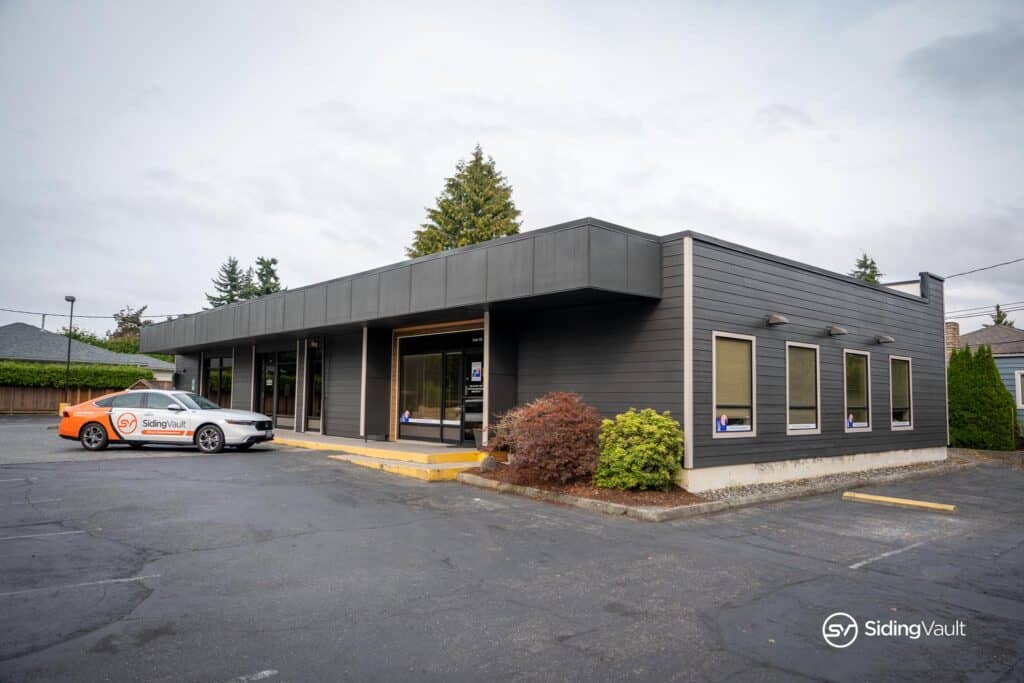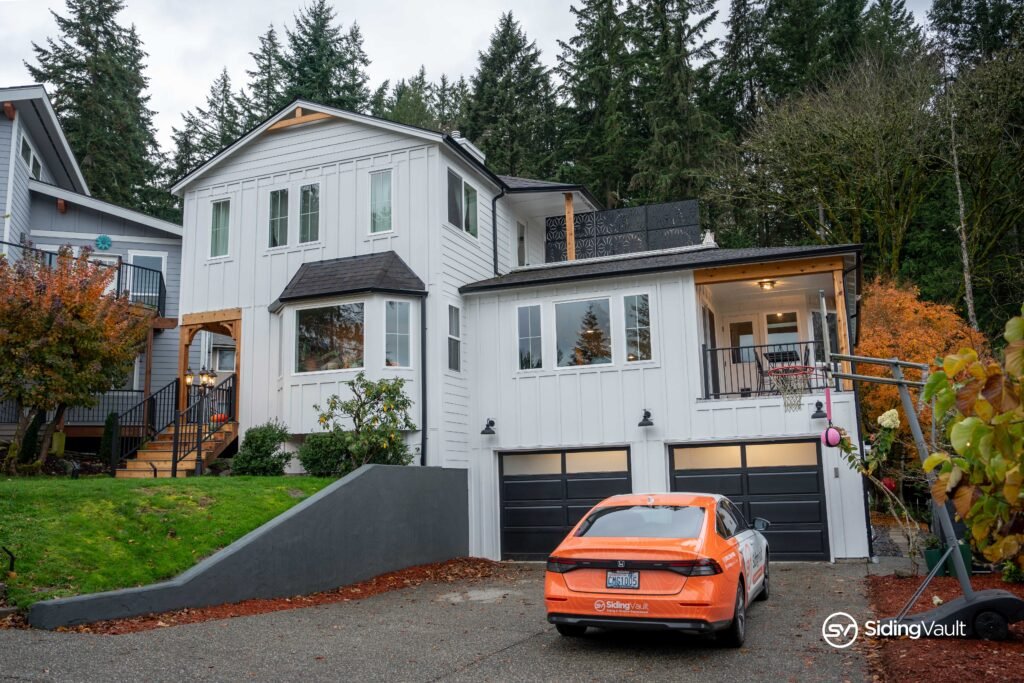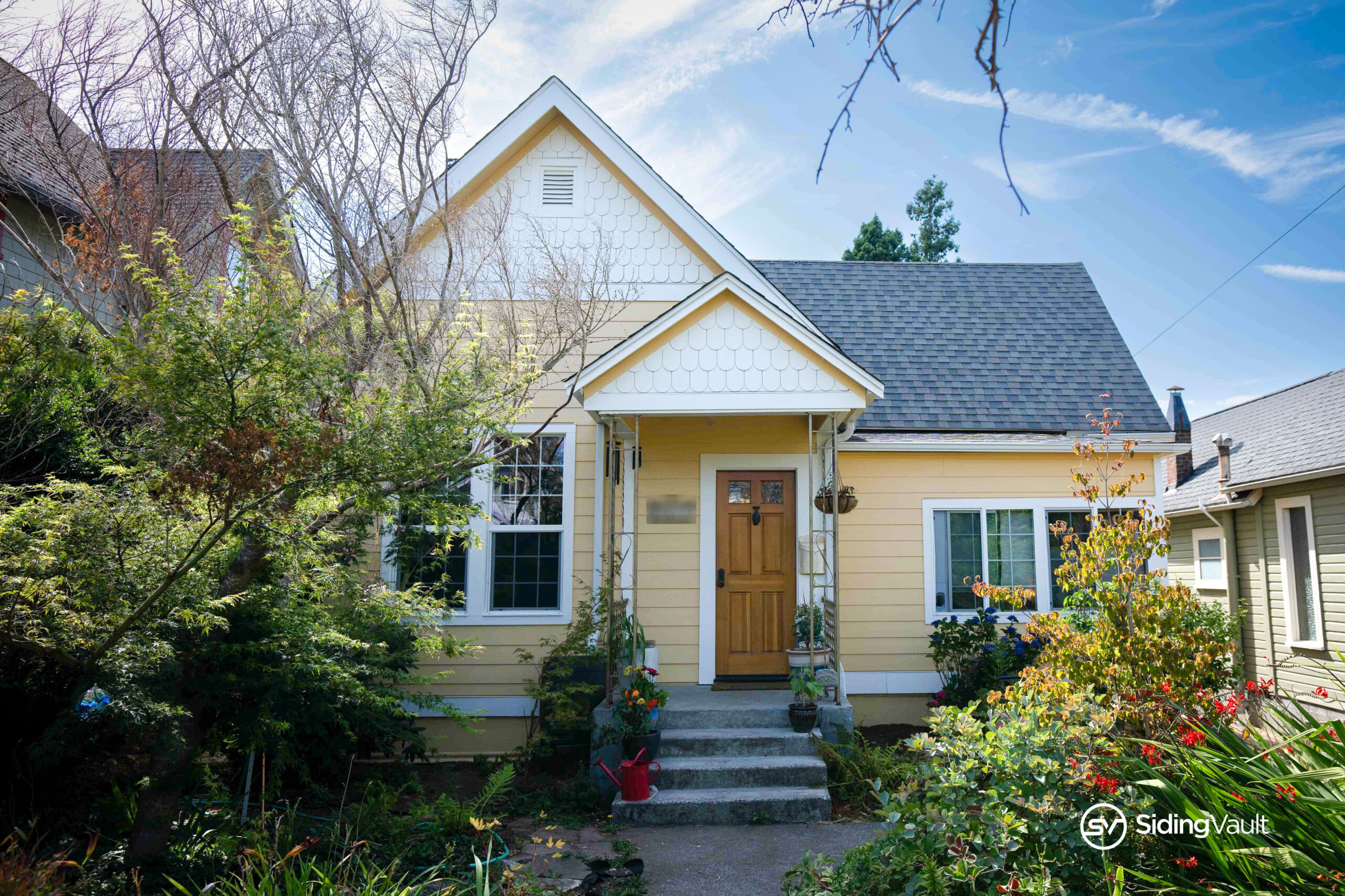
Victorian & Craftsman Siding Specialists in Seattle
A top-rated James Hardie siding contractor in Seattle, specializing in Victorian-era siding restoration and expert craftsmanship. We are dedicated to preserving the architectural beauty and intricate details of historic homes while enhancing durability and protection.
Request a Quote!
Proud to be a James Hardie's Elite Contractor
Elite Contractor status represents the highest level of achievement in James Hardie’s five-tier contractor certification model. It recognizes businesses for their exceptional efficiency, standardized processes, and commitment to excellence.
Lead Certified Siding Contractor in Whatcom County
We are proudly LEAD-SAFE Certified by the State of Washington. For homes built prior to 1978, a lead-certified contractor is required to perform any siding replacement or renovation work (even if lead is not detected). If lead-based materials are detected on homes built after 1978, it is mandatory to engage a lead certified contractor, as failure to comply with these regulations may result in penalties and fines.
Your #1 Home Improvement Experts
Seattle's Trusted and Local Victorian & Craftsman Siding Specialist.
With a deep appreciation for traditional craftsmanship, we use period-accurate techniques and industry-leading materials to seamlessly match existing designs, ensuring an authentic and long-lasting restoration. Whether reviving ornate woodwork, replicating historical trim details, or reinforcing your home’s weather resistance, we provide a meticulous approach that honors the craftsmanship of the past while incorporating modern durability.
At Siding Vault, we take pride in delivering expert siding repair and rot restoration that safeguards your home against further damage while preserving its timeless appeal. Let us help you maintain the historic charm of your Victorian-era home with superior materials, skilled artistry, and a commitment to excellence.
Service: Siding Vault is known for their niche siding replacement expertise. Siding Vault is partnered with James Hardie through their Contractor Alliance program, and is a James Hardie Elite® contractor.
Experience: Our crew is very experienced in both residential and commercial siding installation; with some of our legacy members having over a decade of experience!
Warranties: 30-year limited warranty on Hardie Products. 15-year finish warranty on James Hardie pre-finished products, such as ColorPlus Technology®. Request more information to view our latest warranties on other products.
Reviews: Move forward with zero hesitation, view Siding Vault’s extensive positive review presence online. Give James Hardie a call, and ask about Siding Vault!
Locally Operated: Locally owned and operated, here in Ferndale and Bellingham Washington.
Siding Vault's Asbestos Projects
Executed to industry standards with an outstanding finish.
Let us help you transform your home with innovative siding products that stand the test of time!
Before
After

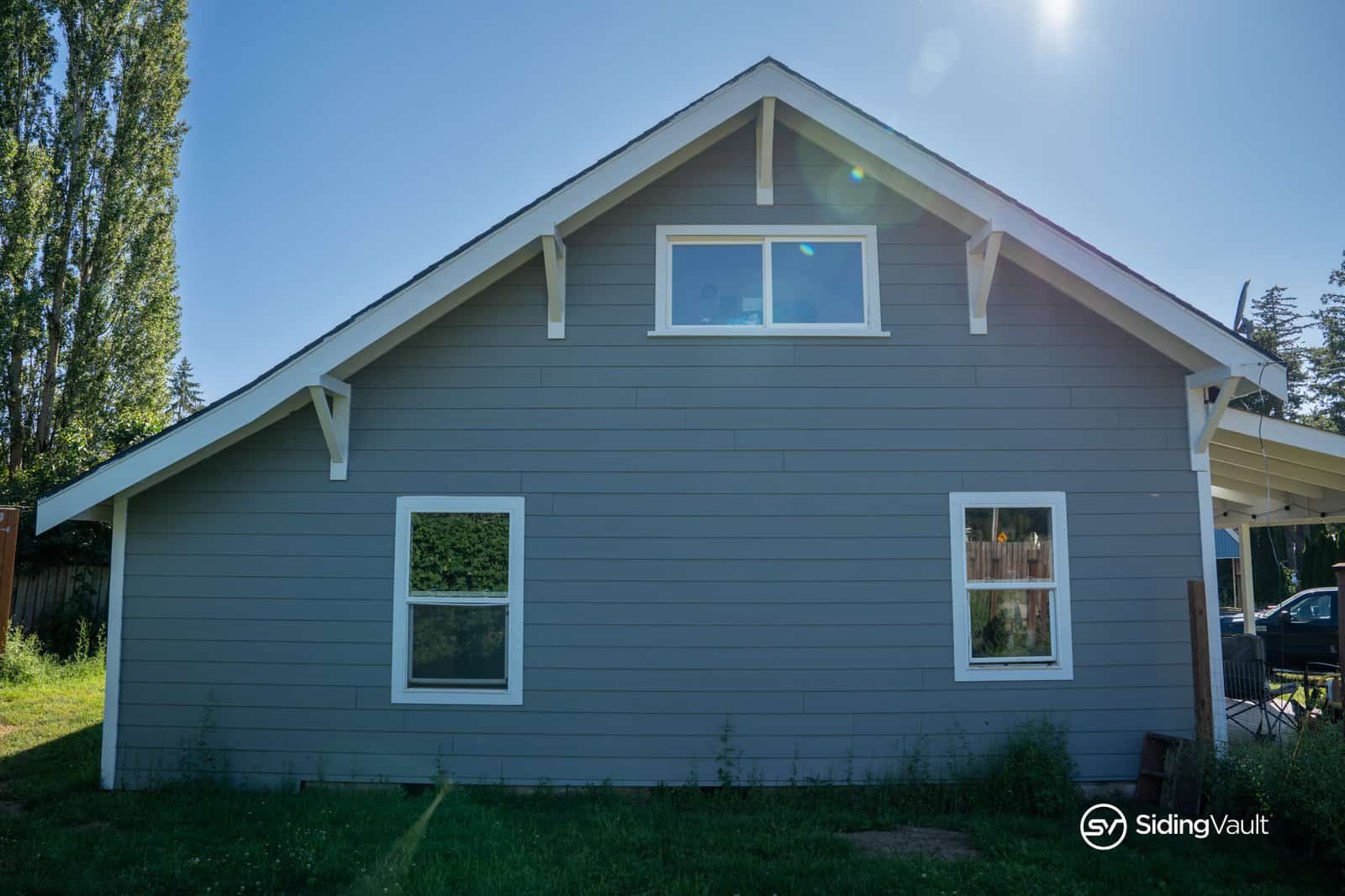
Your James Hardie Elite® & Building Envelope Contractor in Seattle.
About Seattle
Seattle, Washington, is renowned for its lush environment, scenic beauty, and vibrant culture, making it an attractive place for homeowners. However, the city’s maritime climate—characterized by heavy rainfall, occasional storms, and a mix of sun and clouds—can create significant challenges for home exteriors. Homeowners in Seattle frequently deal with issues like siding damage from seasonal storms, pest-related deterioration, and UV fading. Addressing these common problems requires a thoughtful approach to building materials, routine maintenance, and strategic choices in home construction. This essay will discuss these challenges in more detail and provide insights into how to prevent them, as well as long-term maintenance strategies suited to Seattle’s climate.
One of the most common problems homeowners face in Seattle is siding damage from seasonal storms. Seattle experiences substantial rainfall, particularly in the fall and winter months. The frequent moisture exposure can lead to water infiltration, especially in homes with wood siding that may absorb water over time. This can cause significant problems, such as wood rot, mold, and mildew. Additionally, the city is no stranger to strong winds, which can exacerbate the damage by driving rain into cracks and joints in the siding. Homes located in areas with less shelter from the wind, such as those near Puget Sound, may experience higher levels of exposure to these elements.
To prevent siding damage, Seattle homeowners should consider weather-resistant materials such as fiber cement siding, which is ideal for the area’s climate. Fiber cement, like that offered by brands like James Hardie, is moisture-resistant and does not absorb water, preventing rot and mold growth. Unlike wood, fiber cement does not warp or crack from exposure to moisture. Composite siding and vinyl siding are also excellent alternatives, providing low-maintenance, weather-resistant options that stand up well to Seattle’s rainy conditions. Regular inspections are essential for detecting cracks or gaps in siding, particularly after storms. Maintaining gutters and downspouts is equally important to avoid water accumulation around the home’s foundation.
Another common issue in Seattle is pest-related deterioration, which is exacerbated by the city’s humid climate and proximity to wooded areas. Carpenter ants, termites, and rodents are all common pests that can damage the exterior of homes. Carpenter ants and termites feast on wood, hollowing it out and weakening the structure of the home. Rodents like rats and squirrels can chew through siding, insulation, and wiring, creating entry points into the home.
To prevent pest damage, homeowners should consider pest-resistant materials like treated wood, composite siding, or vinyl siding. These materials are less likely to attract termites or carpenter ants. For homes that still feature wood siding, pressure-treated wood is a better option since it resists the damaging effects of pests. Regular inspections are necessary to check for signs of infestation, such as wood dust, droppings, or holes in the siding. Ensuring that there are no gaps or cracks around the foundation, windows, and doors is crucial to keeping pests out. Additionally, trimming trees and shrubs back from the house can reduce access points for rodents that may try to climb up the exterior.
Seattle’s mixed weather also contributes to UV fading, particularly on homes with wood and vinyl siding. While the city is known for its rainfall, there are still sunny days, especially during the summer months. UV rays from the sun can cause fading and degradation of siding materials, particularly on the south- and west-facing sides of homes. Wood siding can crack, dry out, and lose its natural luster due to sun exposure. Vinyl siding, though generally more resistant to UV rays than wood, can also suffer from fading and discoloration over time.
To address UV fading, homeowners should apply UV-resistant finishes or paints to their wood siding. These finishes protect the wood from the sun’s rays and help maintain its appearance. However, for a longer-lasting solution, fiber cement siding is an excellent choice. Fiber cement is inherently resistant to UV degradation and will retain its color and finish much longer than wood or vinyl siding. It also requires much less frequent maintenance, making it a good investment for homeowners looking for durability and low upkeep.
The challenges faced by homeowners in Seattle are quite similar to those in nearby cities like Tacoma and Everett. These areas also experience significant rainfall and strong winds, and homes in these regions are also susceptible to issues like moisture infiltration, pest damage, and UV fading. However, Seattle’s proximity to Puget Sound means that homes in coastal areas are subject to salt air, which can exacerbate corrosion and moisture-related problems. Homes further inland, such as those in Everett, may experience slightly less exposure to salt air but still face the same general issues related to rain and moisture.
When purchasing a home in Seattle, prospective buyers should consider the local climate and environmental conditions. Homes located near the water or in more densely wooded areas are at higher risk for moisture-related problems and pest infestations. Buyers should prioritize homes with high-performance, weather-resistant materials like fiber cement or composite siding to minimize the need for repairs and maintenance. Additionally, it’s essential to inquire about the home’s maintenance history, particularly regarding the siding condition and any pest issues.
Seattle offers a wide range of amenities for homeowners, including shopping centers, restaurants, schools, and medical facilities. For more specific needs, neighborhoods like Ballard, Capitol Hill, and Queen Anne provide a variety of services and recreational opportunities. The city is also well connected by public transit, making it convenient for homeowners to access amenities without a car. However, some homeowners may live in more suburban areas that are farther from downtown Seattle. In these cases, residents may need to drive or rely on transit to access services, though Seattle’s well-developed infrastructure ensures that amenities are generally not too far away.
In conclusion, homeowners in Seattle face several exterior issues, such as siding damage from seasonal storms, pest-related deterioration, and UV fading. By choosing weather-resistant materials like fiber cement siding, regularly inspecting and maintaining the exterior, and taking proactive measures to prevent moisture, pests, and UV damage, homeowners can safeguard their properties. When purchasing a home in Seattle, it’s essential to consider the home’s location, exposure to the elements, and maintenance history. With its wide array of amenities and a well-connected urban environment, Seattle offers a dynamic and comfortable place to live for homeowners willing to address the unique challenges posed by the local climate.
Recent Projects