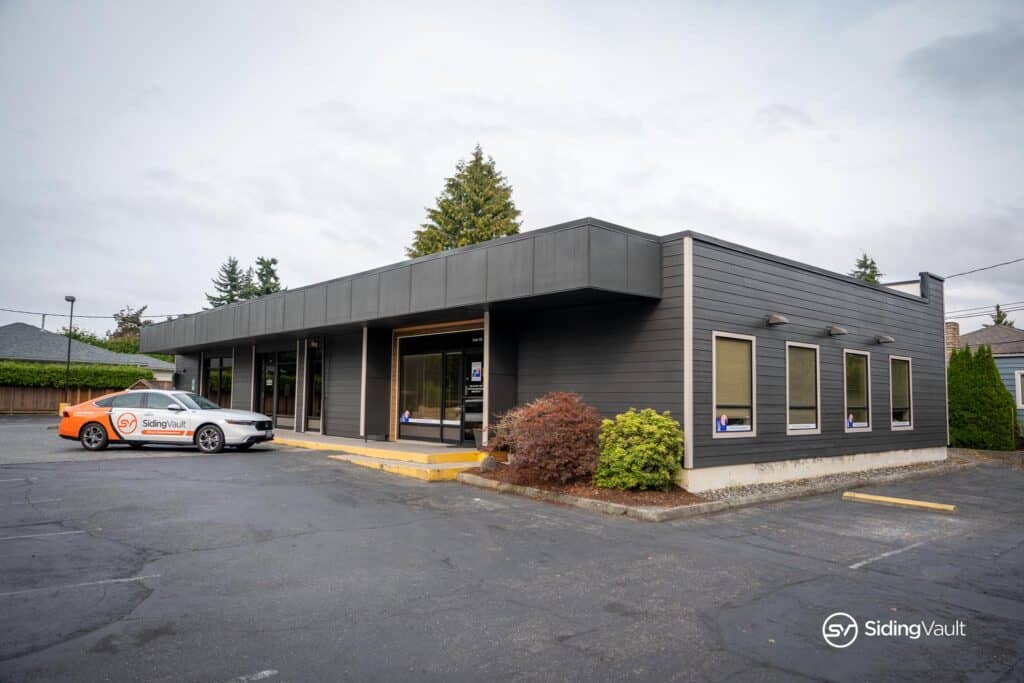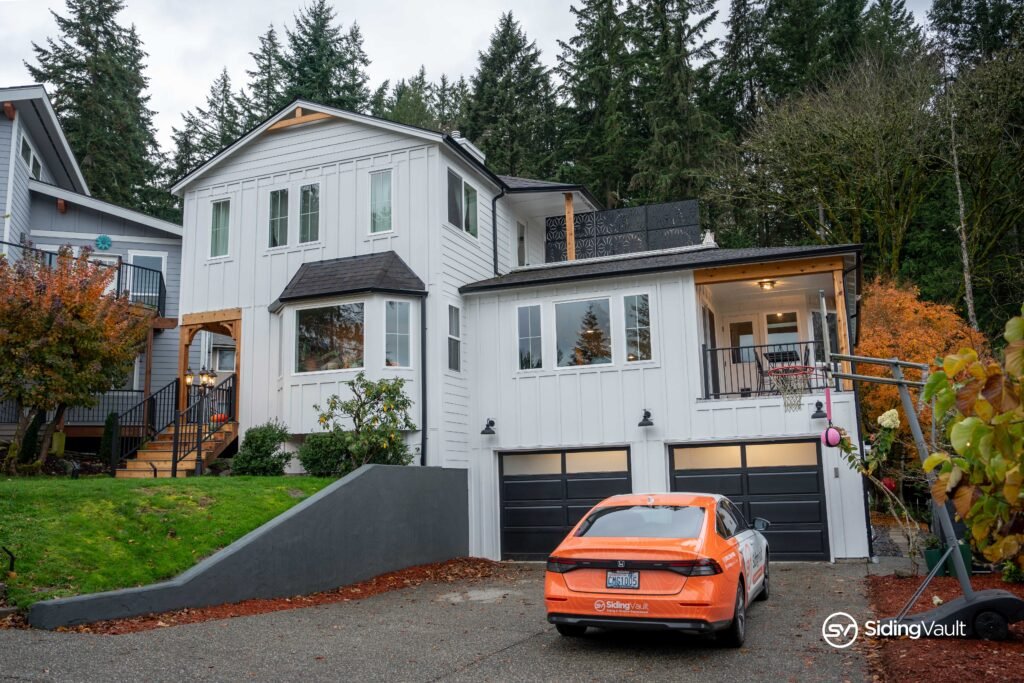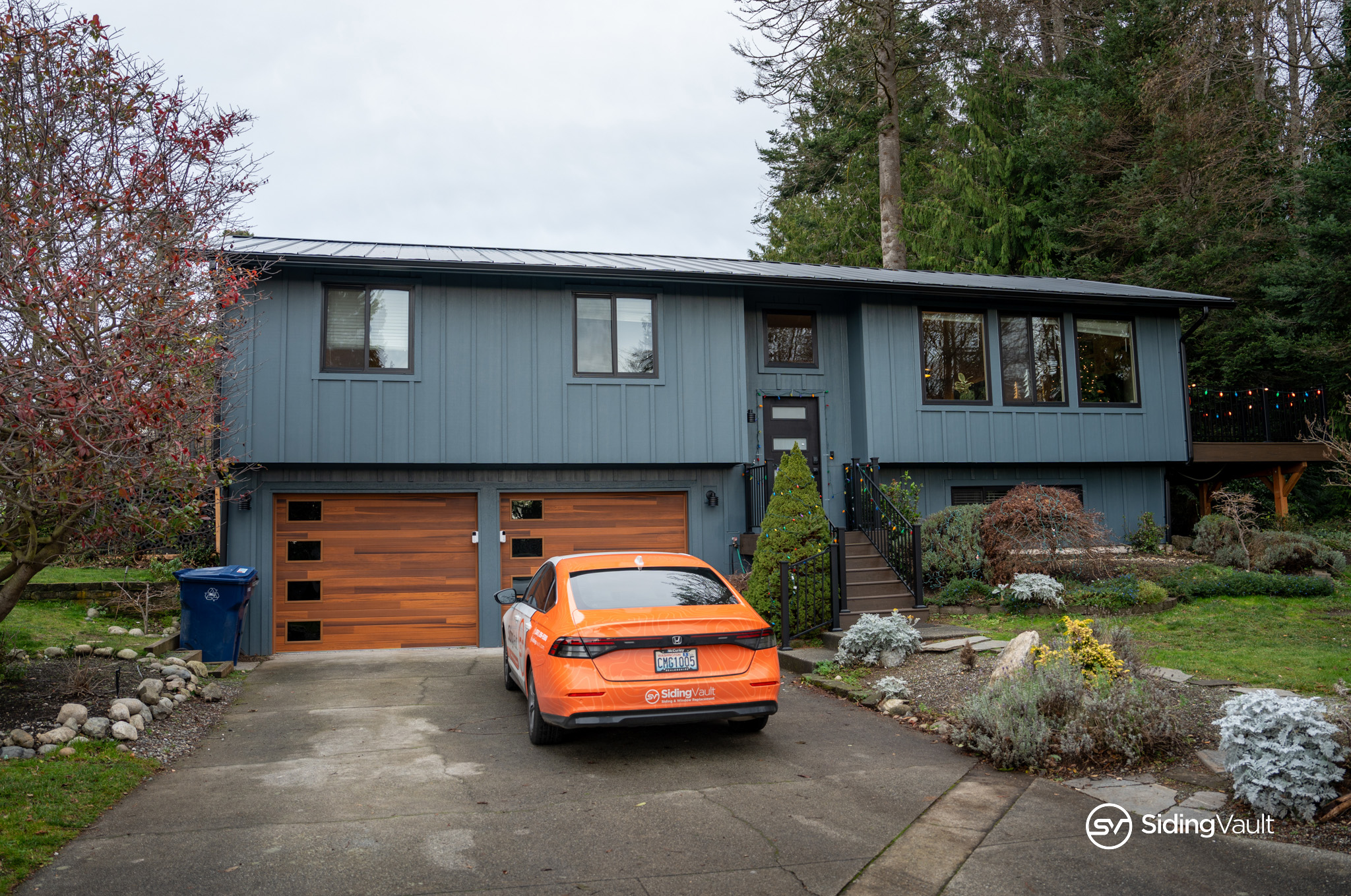
Asbestos Certified Siding Contractor in Whatcom County, WA
A highly-rated Whatcom County James Hardie siding contractor in your area, providing industry-leading materials and expert guidance to safely replace asbestos siding while enhancing your home’s durability and curb appeal.
Siding Vault is a James Hardie Elite® Contractor.
Request a Quote!

Proud to be James Hardie's Elite Contractor
Elite Contractor status represents the highest level of achievement in James Hardie’s five-tier contractor certification model. It recognizes businesses for their exceptional efficiency, standardized processes, and commitment to excellence.
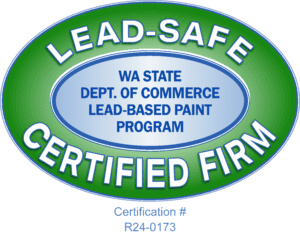
Lead Certified Siding Contractor in Whatcom County
We are proudly LEAD-SAFE Certified by the State of Washington. For homes built prior to 1978, a lead-certified contractor is required to perform any siding replacement or renovation work (even if lead is not detected). If lead-based materials are detected on homes built after 1978, it is mandatory to engage a lead certified contractor, as failure to comply with these regulations may result in penalties and fines.
Your #1 Home Improvement Experts
Whatcom County's Trusted and Local James Hardie Elite® Siding Contractor.
Siding Vault is a Whatcom County James Hardie Elite® siding contractor that provides popular siding materials and professional installation. Driven by a highly skilled and experienced crew in Whatcom County, our goal is to provide superior craftsmanship and trusted, professional service to every customer.
Service: Siding Vault is known for their niche siding replacement expertise. Siding Vault is partnered with James Hardie through their Contractor Alliance program, and is a James Hardie Elite® contractor.
Experience: Our crew is very experienced in both residential and commercial siding installation; with some of our legacy members having over a decade of experience!
Warranties: 30-year limited warranty on Hardie Products. 15-year finish warranty on James Hardie pre-finished products, such as ColorPlus Technology®. Request more information to view our latest warranties on other products.
Reviews: Move forward with zero hesitation, view Siding Vault’s extensive positive review presence online. Give James Hardie a call, and ask about Siding Vault!
Locally Operated: Locally owned and operated, here in Ferndale and Bellingham Washington.
Siding Vault's Asbestos Projects
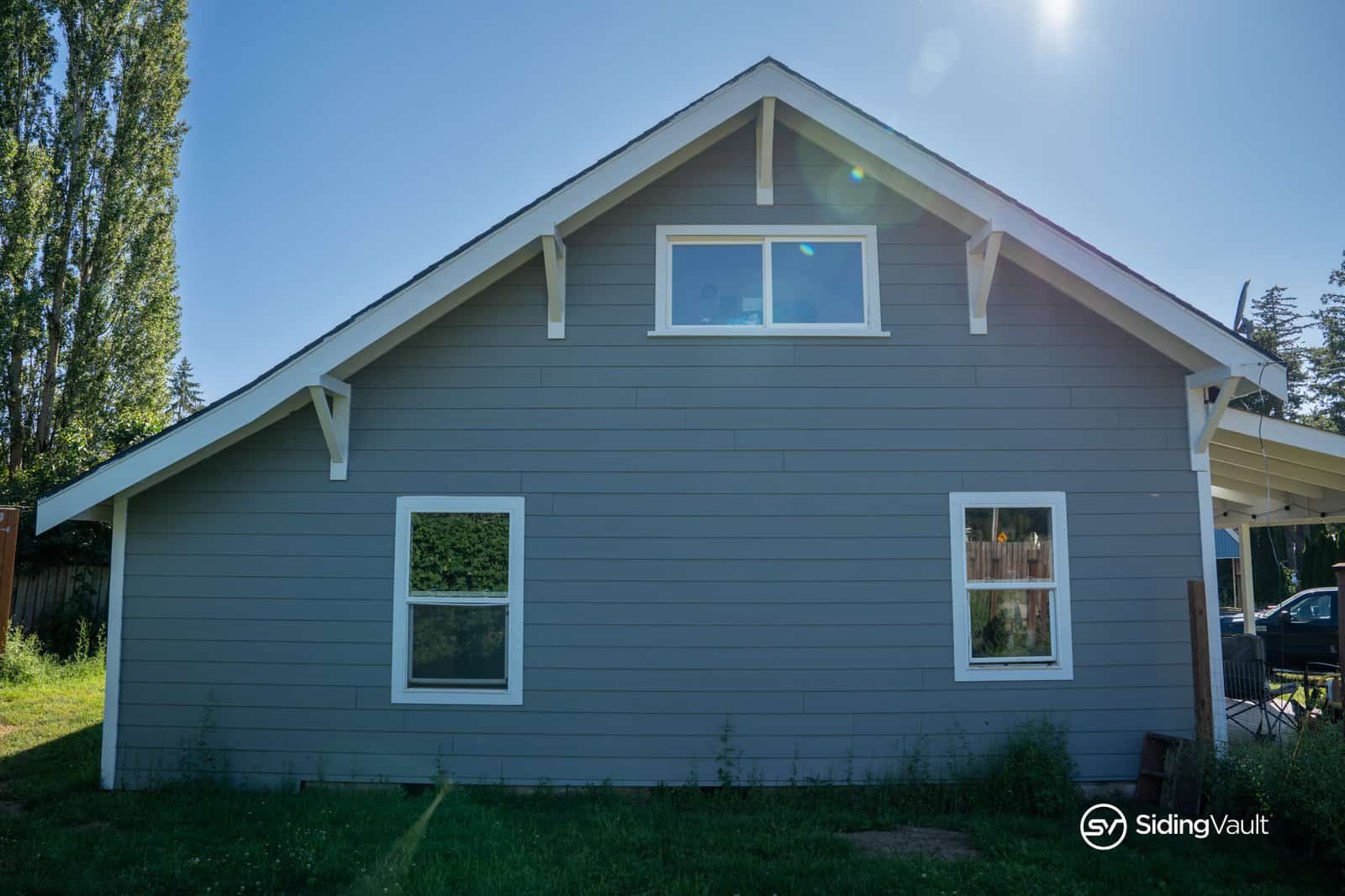
Executed to industry standards with an outstanding finish.
Let us help you transform your home with innovative siding products that stand the test of time!
Before
After

Your James Hardie Elite® Siding Contractor in Whatcom County.
About Whatcom County
Whatcom County, located in the northwestern corner of Washington State, is known for its breathtaking natural beauty, from the towering peaks of Mount Baker to the shores of Puget Sound. The region’s architecture reflects its deep connection to the natural environment and the changing needs of its residents. With a diverse mix of Craftsman-style homes, modern builds, and historical structures, the architectural styles in Whatcom County are as varied as the landscape itself. The county’s climate, characterized by cool, wet winters and mild, dry summers, heavily influences the siding choices in the area. Homeowners and builders in Whatcom County must balance the aesthetic and structural demands of their homes with the region’s weather, choosing materials that offer both beauty and durability.
One of the most prominent architectural styles in Whatcom County is the Craftsman home, which became widely popular in the early 20th century. Craftsman homes are characterized by their low-pitched roofs, wide eaves, exposed rafters, and large front porches with decorative columns. The style emphasizes handcrafted details and natural materials, with wood being the primary material for both exterior and interior finishes. In Whatcom County, Craftsman homes often feature horizontal lap siding, cedar shingles, and board-and-batten, all of which enhance the home’s connection to the natural surroundings. Wood siding has a timeless appeal and suits the rustic, organic aesthetic of Craftsman homes, making it a popular choice in the county. However, Whatcom County’s wet and humid climate presents challenges for wood siding, as it is susceptible to moisture damage, rot, and insect infestations. These issues are particularly common in the area’s coastal and lowland areas, where rainfall is abundant.
To address the weather-related concerns, many Craftsman homes in Whatcom County have turned to more durable and weather-resistant materials. Fiber cement siding, which replicates the appearance of wood but offers better resistance to moisture, rot, and pests, has become increasingly popular. Fiber cement is also fire-resistant, which is an added benefit for homes in areas prone to wildfires. Another option is engineered wood, which combines the aesthetic appeal of natural wood with improved durability and resistance to the elements. These materials allow homeowners to maintain the Craftsman style while reducing maintenance needs and extending the lifespan of their siding. The shift toward these modern materials has helped preserve the beauty of Craftsman homes in Whatcom County while addressing the challenges posed by the region’s climate.
In addition to Craftsman homes, Whatcom County is home to many historical buildings that reflect the area’s agricultural roots and early settlement. These buildings, which date back to the late 19th and early 20th centuries, often feature wood siding, such as clapboard, shingle, or board-and-batten, that was typical of homes built during this period. However, as with Craftsman homes, these older buildings face similar challenges due to moisture and humidity. Over time, many historical buildings in Whatcom County have been renovated, and the original wood siding has been replaced with more durable materials, such as fiber cement or engineered wood. These modern materials not only offer better protection against the region’s weather but also allow homeowners to preserve the historic appearance of the buildings. This trend is particularly evident in the county’s more urbanized areas, such as Bellingham, where historical preservation is a priority but modern, low-maintenance materials are necessary to ensure the long-term durability of the homes.
Modern homes are becoming an increasingly popular architectural style in Whatcom County, particularly as the region grows and attracts new residents. These homes typically feature open floor plans, clean lines, and large windows that capitalize on the area’s stunning natural views. The design of modern homes emphasizes sustainability and energy efficiency, with many homeowners opting for eco-friendly materials and low-maintenance finishes. For modern homes in Whatcom County, the choice of siding materials often includes metal, fiber cement, and composite products. Metal siding, such as standing seam steel or aluminum, is gaining popularity due to its sleek, contemporary appearance and its ability to withstand the region’s moisture and humidity. Metal is highly resistant to corrosion from saltwater and moisture, making it an ideal choice for coastal homes in the county. Fiber cement panels are another popular option for modern homes, as they are versatile, durable, and resistant to both fire and moisture. These materials not only offer long-lasting protection from the elements but also contribute to the energy efficiency and sustainability of modern homes. Compared to more suburban areas like Lynden, which often feature traditional materials such as vinyl siding, Whatcom County’s modern homes embrace more durable and sustainable materials like fiber cement and metal.
What makes the architectural styles and siding choices in Whatcom County different from nearby locations, such as Skagit County or Island County, is the area’s unique combination of urban, suburban, and rural environments, along with its varied climate. While nearby areas may feature more suburban or agricultural homes with traditional wood or vinyl siding, Whatcom County’s architectural identity remains rooted in its natural beauty and commitment to sustainability. The prevalence of fiber cement, engineered wood, and metal in modern homes and renovations sets Whatcom County apart from areas like Skagit County, where more conventional siding materials may still dominate, particularly in rural areas. The focus on using weather-resistant materials in the county’s homes ensures that they remain durable and energy-efficient, even in the face of the region’s frequent rain and humidity.
Asbestos, a material that was commonly used for its fire-resistant properties, is still a concern in some of Whatcom County’s older buildings, particularly those constructed between the 1940s and 1970s. Asbestos-containing materials, such as siding, insulation, and roofing, were often used in construction during this period. However, as the health risks associated with asbestos became widely known, its use was phased out. Homes built during this era may still contain asbestos, which can pose significant health risks if disturbed. Homeowners in Whatcom County who are renovating or remodeling older homes should be aware of the possibility of asbestos and consult with certified professionals to safely remove or encapsulate asbestos-containing materials. Fortunately, newer homes and renovations in Whatcom County are built with modern, safer materials, such as fiber cement, engineered wood, and metal, which are free from asbestos and offer better protection against the elements.
In conclusion, the architectural styles and siding choices in Whatcom County reflect the region’s rich history, diverse landscapes, and evolving architectural trends. Whether updating a Craftsman home, restoring a historical building, or building a modern residence, homeowners in Whatcom County prioritize materials that are durable, weather-resistant, and low-maintenance. Fiber cement, engineered wood, and metal siding offer effective solutions that ensure homes in the area remain protected from the elements while maintaining their aesthetic appeal. The shift toward these modern materials sets Whatcom County apart from nearby locations, where traditional materials may still be favored, and ensures that the homes in the region can withstand the challenges of the local climate while offering sustainability and resilience for the future. Asbestos remains a concern in older homes, but the use of modern materials ensures that newer homes are safer and more sustainable.
Recent Projects